In a sentence: wear beige as the calm warm base of an outfit and let one decisive color beside it do the talking, navy, rust, teal or chocolate, anchored by ivory, cream, taupe and charcoal. Skip to the pairing palette or find your most flattering colors.
How to Wear Beige: Outfit Ideas & Color Pairings
By ToneLalaUpdated July 9, 2026
Contents
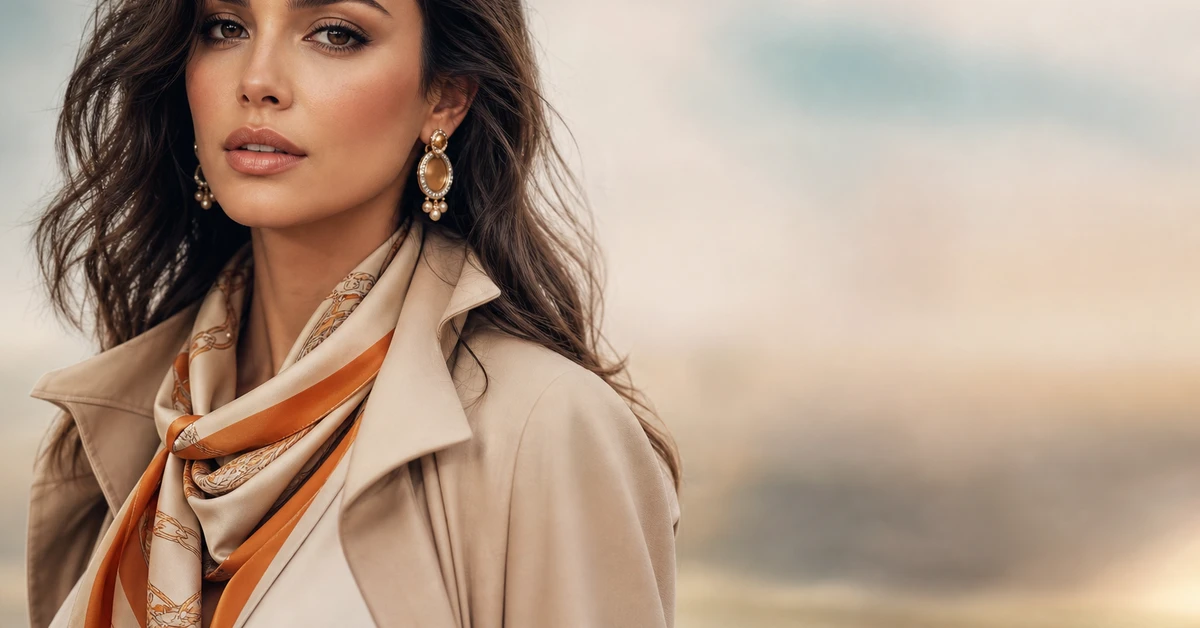
Beige gets called boring more than any other color I style with, and almost every time it's not the beige that's the problem, it's that it's been left to do the whole outfit on its own. Head-to-toe beige with nothing to push against reads like a uniform with the color drained out. The same beige coat over an ivory knit with a navy bag and a flash of gold looks like money. Beige is a backdrop, not a soloist, and once you treat it that way it becomes one of the most useful colors you own.
The other thing I tell clients: beige is not one color. It runs from cool, gray-tinged oatmeal through sandy and caramel to deep, golden camel, and the version that flatters you is very specific to your coloring. Pick the right beige and pair it with intent, and it does something black never quite manages, it warms you up rather than just covering you.
What beige brings to an outfit
Beige is a quiet, warm neutral with the temperature of sand and none of the drama of black. It's soft, grounding and unbothered, which is exactly why it works so hard: it lets a louder color sit beside it without competing, and it makes an all-neutral outfit feel considered rather than plain. Think of it as the linen-and-lattes color, relaxed, expensive-looking, made for daylight.
On the color wheel beige is essentially a pale, very low-chroma orange-brown, a tan with the lights turned up and a lot of gray or cream folded in. That single fact explains how it behaves. Because it's fundamentally warm, its natural opposite is blue, which is why navy, denim and teal look so right against it. Because it's muted, it pairs best with colors that have either real warmth (rust, terracotta, olive) or real depth (chocolate, burgundy, emerald), clean cool pastels tend to blur into it and the whole look goes flat.
Beige works best in spring and autumn light, in natural fabrics, linen, cotton, fine knit, suede, and as the largest piece in an outfit: the coat, the trousers, the dress. Let it be the canvas, then choose your one or two partners deliberately.
The best colors to pair with beige
These are the ten I reach for again and again, cool counterpoints to lift the warmth, warm earth tones to keep it tonal, and a couple of jewel depths to add richness.
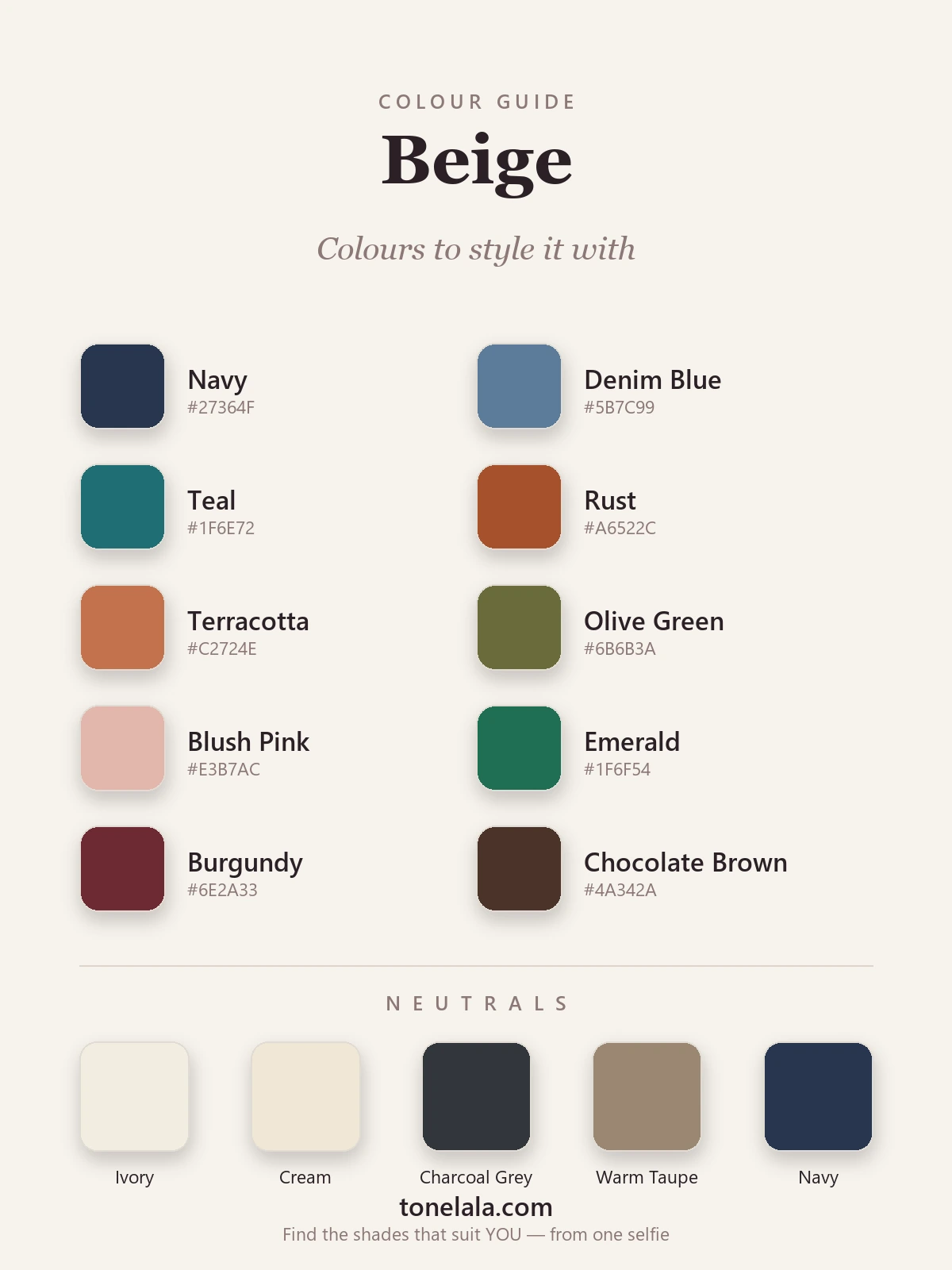
| Color | Hex | Why it works |
|---|---|---|
| Navy | #27364F |
Beige's most reliable partner. Deep and cool, it gives a soft beige a backbone and makes the warmth glow, my desert-island pairing. |
| Denim Blue | #5B7C99 |
The everyday version of that blue-beige magic. Faded denim beside camel beige is effortless and looks good on everyone. |
| Teal | #1F6E72 |
A cooler, greener counterpoint for when navy feels expected. Beside warm beige it reads fresh and a little unexpected. |
| Rust | #A6522C |
A warm sibling on the wheel. Earthy and burnt, it makes beige look sunlit and grounded, peak autumn. |
| Terracotta | #C2724E |
Softer and warmer than rust. Tonal with beige, so the pairing reads deliberate and modern rather than loud. |
| Olive Green | #6B6B3A |
Beige and olive is a quiet, military-adjacent classic, both muted, both warm, instantly grown-up. |
| Blush Pink | #E3B7AC |
A warm, dusty pink that flatters beige the way it flatters skin: soft, romantic, never sugary. |
| Emerald | #1F6F54 |
A jewel green for when you want one rich note. Beige cools and calms it so it never tips into garish. |
| Burgundy | #6E2A33 |
A deep wine red that shares beige's warmth but adds the depth beige lacks, instant evening richness. |
| Chocolate Brown | #4A342A |
Beige's own deeper family. Tonal brown-on-beige is the easiest "quiet luxury" pairing there is. |
Neutrals to wear with beige: Ivory #F3EDE1 (a clean off-white that's far kinder than stark white), Cream #EFE7D4 (the softest, warmest light partner), Charcoal Gray #33363B (a dark anchor that's gentler than black), Warm Taupe #9A8772 (keeps a look tonal and expensive), and Navy #27364F (the smart modern stand-in for black).
Is YOUR best shade of beige warm or cool?
Find your color season →Beige outfit formulas
- Beige + ivory + navy (everyday). Beige wide-leg trousers, an ivory knit or tee, a navy bag and loafers. Soft up top, anchored at the feet, the look that reads polished with zero effort.
- Camel beige + chocolate + gold (work). A beige coat or blazer over a chocolate rollneck, with gold jewelry. Tonal, warm and quietly expensive, the boardroom version of "quiet luxury".
- Beige + rust + olive (weekend). A beige jacket, a rust knit and olive trousers or a cargo. Relaxed, earthy and warm, made for autumn walks and long lunches.
- Beige + burgundy + gold (evening). A beige slip dress or satin skirt with a burgundy heel and gold earrings. The depth of the burgundy is what turns daytime beige into something for after dark.
Colors and styling to avoid with beige
- Stark blue-white: a cold, optic white can make a warm beige look slightly dingy and yellowed by comparison. Reach for ivory or cream instead so the off-whites sit in the same warm family.
- Cool dove gray: a blue-toned gray beside warm beige drains both colors and the outfit goes flat and joyless. Swap in warm taupe or charcoal, which have enough warmth or depth to hold up.
- Tonal pale pastels with no contrast: baby blue, pale lilac and the like sit so close to beige in lightness that the whole look blurs into one washed-out mass. If you want soft, give the outfit one deeper anchor (navy, chocolate) so the eye has somewhere to land.
None of these are forbidden, they're just the combinations that most often disappoint, so treat them as "handle with care".
Wearing beige for your coloring
Beige is universal in theory and very personal in practice. It's actually one of the trickier neutrals to get right, because the wrong beige washes you out faster than almost any other color, it sits right next to your skin tone, so a mismatch shows immediately.
If you're warm and deep (a True or Deep Autumn, say), rich golden, caramel and camel beiges are made for you, and they'll happily carry deeper partners like burgundy and chocolate. If you're light and warm, softer sandy and honey beiges with cream and blush will feel more like you. If you're cool, you're far better in greige and oatmeal beiges with a gray rather than yellow base, paired with cooler partners, navy, teal, soft denim, and you'll want to keep golden beiges to a minimum. And if you're light and cool, the deepest camels can overwhelm; a pale, soft greige is much kinder near your face.
That's the bit a generic chart can't do for you. Our color analysis guides walk through each season, and a personal analysis reads your photo to tell you the exact beige, and the exact navy, the exact rust, that lights your face up rather than graying it out.
Putting it together
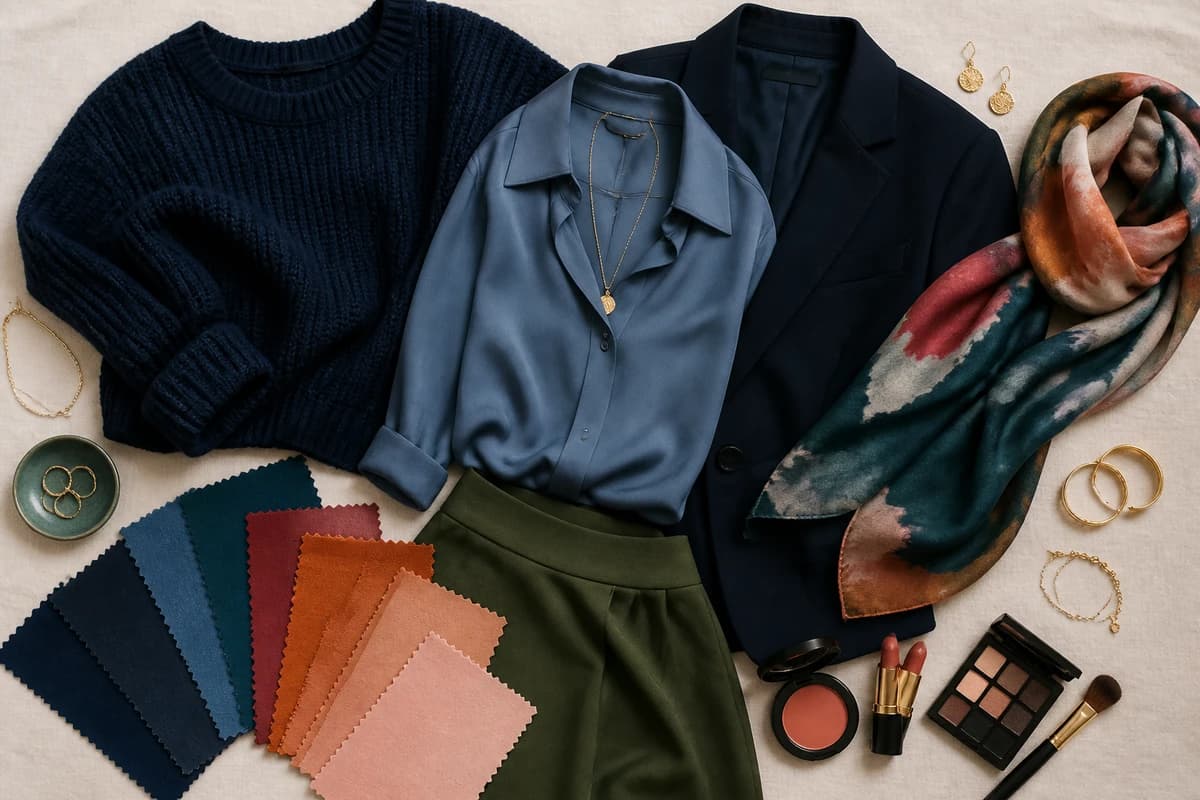
Build a small beige capsule and the rest looks after itself: pick one beige you love, one soft off-white (ivory or cream), and two or three of the colors above, say navy, rust and chocolate. Everything mixes, because warm beige is the steadiest base in the wardrobe and these partners were all chosen to flatter it. Stop apologizing for beige as the safe option and start using it as the warm, grown-up backdrop it really is, then let one well-chosen color beside it carry the look.
Frequently asked questions
What colors go with beige?
Beige pairs beautifully with cool counterpoints like navy, denim blue and teal; warm earth tones like rust, terracotta and olive; soft blush pink; and jewel depths like emerald, burgundy and chocolate brown. For neutrals, ivory, cream, charcoal, warm taupe and navy all sit happily beside it. The most foolproof combination is beige with navy and a crisp ivory.
What color best complements beige?
Beige is essentially a pale, muted tan, so it leans warm and orange-based, which means cool blues are its natural foil. Navy is my desert-island pairing: deep enough to give beige a backbone, cool enough to make its warmth glow. If you want something gentler than navy, denim blue does the same job in a softer key.
What colors should you not wear with beige?
Be careful with stark, blue-white (it can make a warm beige look dingy rather than crisp), with cool dove grays that drain both colors, and with pale pastels that are so close to beige in tone the whole outfit blurs into one flat mass. None are banned, but they're the pairings that most often fall flat. Swap blue-white for ivory and cool gray for warm taupe.
What neutrals go with beige?
Ivory (#F3EDE1) and cream (#EFE7D4) are the softest, most flattering partners, far kinder than stark white. Warm taupe (#9A8772) keeps a look tonal and expensive; charcoal gray (#33363B) gives you a dark anchor that's gentler than black; and navy (#27364F) is the smart, modern stand-in for black. These five do most of the quiet work in a beige wardrobe.
How do I wear beige for my skin tone?
Match the beige to your undertone. Warm or deep coloring suits golden, sandy and caramel beiges; cool or light coloring is kinder to greige and oatmeal beiges with a gray rather than yellow base. The wrong beige is the color most likely to wash you out, so hold two shades near your face in daylight, the right one warms your skin, the wrong one grays it. A personal color analysis pins down your exact shade.
Related guides

How to Wear Brown: Outfit Ideas & Color Pairings
How to wear brown without looking dull: 10 color pairings with hex codes, 5 neutrals, outfit formulas by occasion, and the right shade for your coloring.
How to Wear Orange: Outfit Ideas & Color Pairings
A stylist's guide on how to wear orange, 10 pairing colors with hex codes, the best neutrals, outfit formulas, and the right shade for your coloring.
How to Wear Red: Outfit Ideas & Color Pairings
How to wear red without it wearing you, a stylist's outfit formulas, the 10 best colors to pair with red (plus neutrals)
How to Wear Navy: Outfit Ideas & Color Pairings
A stylist's guide to wearing navy, 10 color pairings with hex codes, 5 neutrals, outfit formulas by occasion, and the right shade of navy for your coloring.
How to Wear Lavender: Outfit Ideas & Color Pairings
A stylist's guide to wearing lavender, 10 color pairings and 5 neutrals with hex codes, outfit formulas by occasion, and the right shade for your coloring.

How to Wear Coral: Outfit Ideas & Color Pairings
A stylist's guide to wearing coral, 10 pairing colors with hex codes, the best neutrals, outfit formulas, and how to find your most flattering coral.
Prefer in person? Find color analysis near you
Browse local color analysts by city, or get the same season, palette and best-colors breakdown online from one selfie.
See your colors on a photo of you
Upload one selfie and ToneLala reveals your season, your full palette, and your best hair, makeup, jewelry and outfits, styled on you.