In a sentence: The most flattering makeup for hazel eyes leans into warmth and the purple trick, plum and aubergine to pop the green, bronze, copper and gold to light up the amber, warm brown liner instead of black. Skip to the shade palette or find your season.
Makeup for Hazel Eyes
By ToneLalaUpdated July 8, 2026
Contents
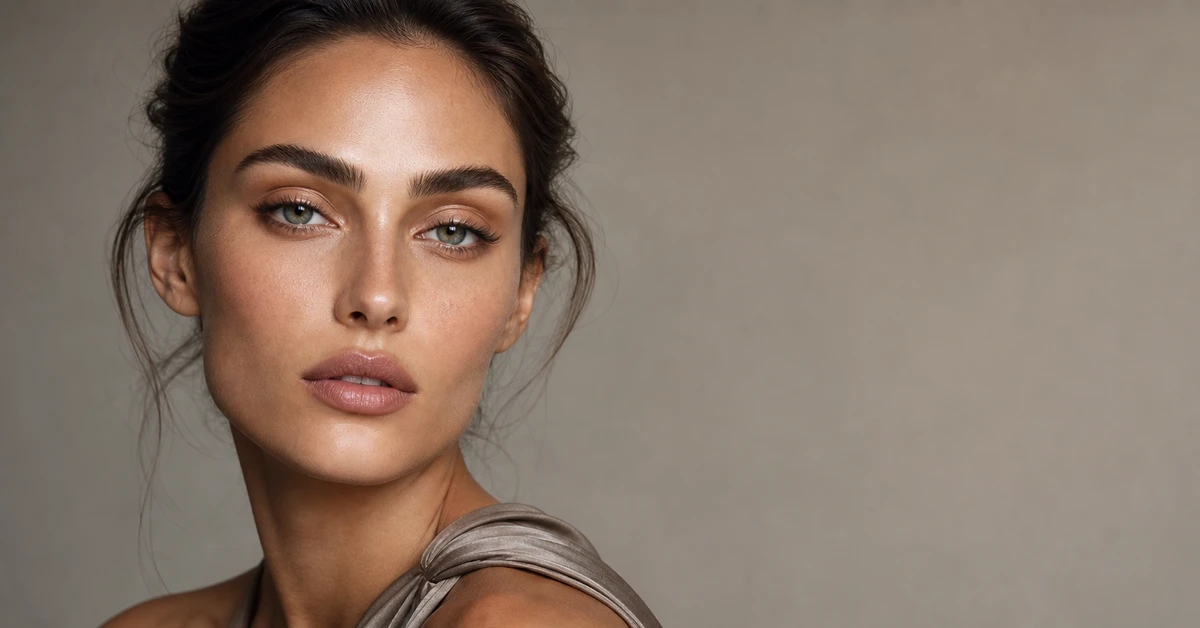
Swipe a plum shadow across one lid and leave the other bare, then look in the mirror. On the made-up side the green in a hazel eye lifts and clears, almost like someone turned up the saturation; on the bare side it sits flatter, browner, quieter. I do this little split test on clients all the time, because it's the fastest way to prove a point they don't quite believe, that hazel eyes are less a fixed color than a dial, and makeup is one of the things that turns it.
Hazel is a blend. Green, gold, amber, often a ring of brown, all layered in the one iris, which is exactly why it shifts depending on what you put near it. That blend gives you two levers, and the best hazel-eye makeup pulls both. You can echo the green with olive and teal, or you can pop it with purple, and you can warm the whole eye with the golds and coppers that speak to the amber. Below are the shades I reach for, with hex codes, plus how to place them and the cool, flat tones worth leaving in the drawer.
Why these shades work on hazel eyes
Two principles do almost all the work, and once they click, choosing makeup for hazel eyes stops being guesswork.
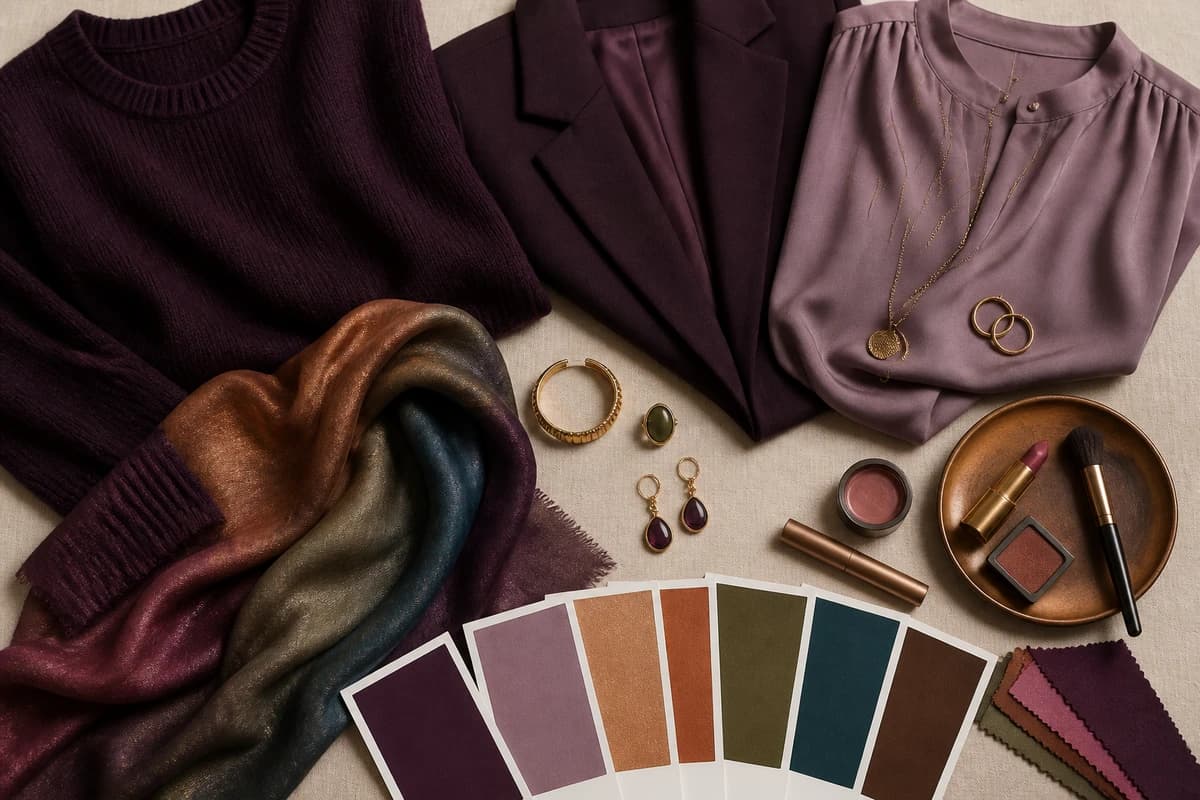
The first is complementary contrast. Green sits opposite purple on the color wheel, so anything in the plum-to-aubergine family makes the green in a hazel iris read brighter and cleaner than it actually is. It's the same trick that lights up green eyes in burgundy, and because hazel carries green, it borrows the same effect. Mauve does a gentler version for daytime. This is why a plum lid so often looks like it changed someone's eye color: it didn't, it just amplified what was already there.
The second is warm echo. Hazel holds amber and gold that brown and blue eyes don't, and warm metallics speak straight to it. Bronze, copper and antique gold deepen and light those flecks, so the eye looks richer and more lit from within. Olive and deep teal sit on the green side of the same idea, repeating the iris's green rather than contrasting it. You don't have to choose between the two levers, the strongest looks combine them, a plum socket with a gold center being the classic.
The best makeup shades for hazel eyes
These are the ten I build a hazel-eye kit around, mostly eyes, because that's where the magic happens, plus one warm lip to tie the face together.
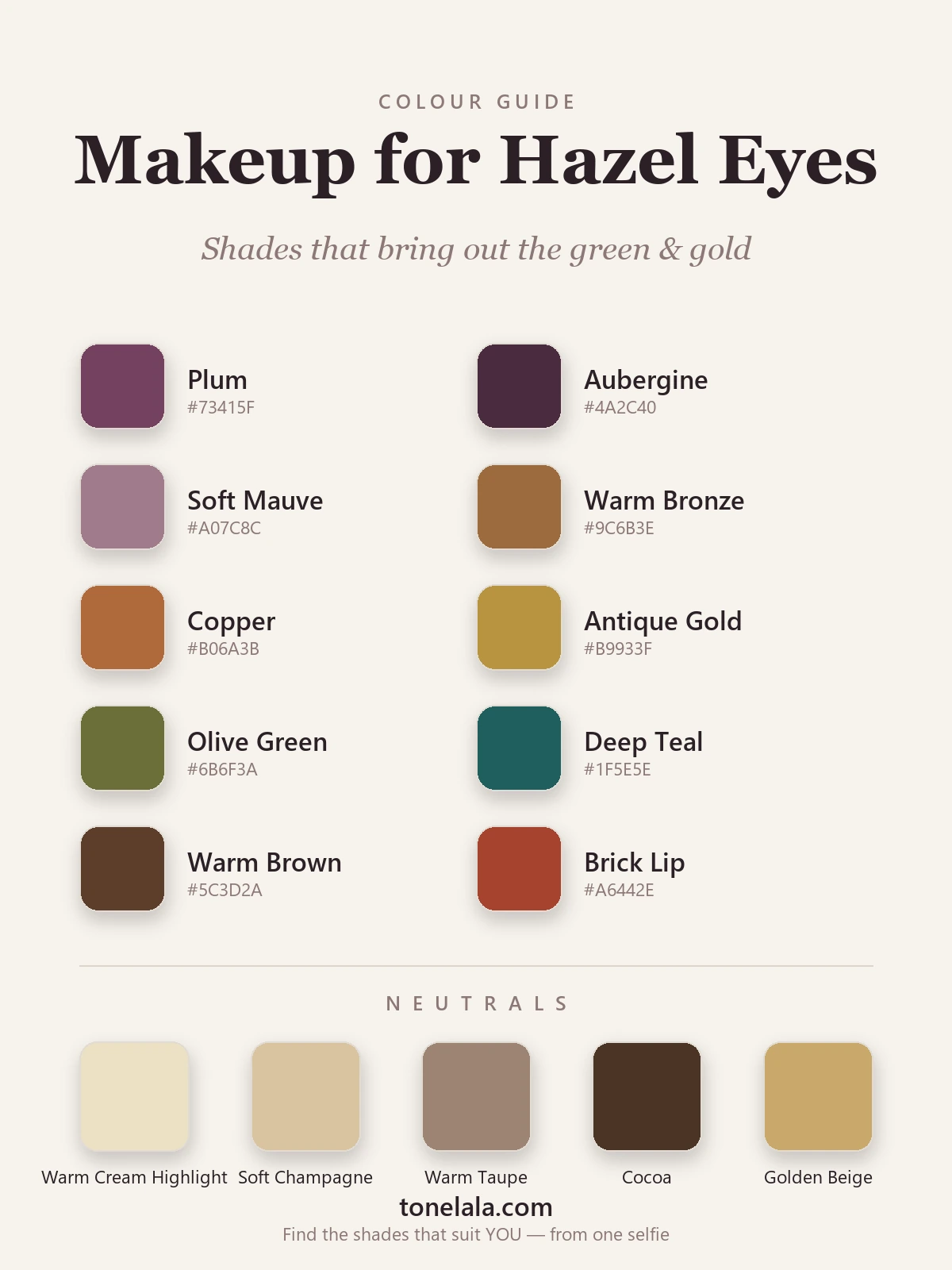
| Shade | Hex |
|---|---|
| Plum | #73415F |
| Aubergine | #4A2C40 |
| Soft Mauve | #A07C8C |
| Warm Bronze | #9C6B3E |
| Copper | #B06A3B |
| Antique Gold | #B9933F |
| Olive Green | #6B6F3A |
| Deep Teal | #1F5E5E |
| Warm Brown | #5C3D2A |
| Brick Lip | #A6442E |
A little more on what each is for, and why it earns its place:
- Plum
#73415F: eye, the hero. A warm, muted purple through the socket. The complement to green, so it makes hazel's green jump forward. The single most flattering shadow you can own. - Aubergine
#4A2C40: eye/liner. The deeper, richer purple for definition and evening. Smudged along the upper lash line it pops the green and replaces black beautifully. - Soft Mauve
#A07C8C: eye. The daytime version of the purple trick, soft enough for a wash, still doing the green-lifting work without looking like effort. - Warm Bronze
#9C6B3E: eye. The all-rounder. Lights up the amber and gold flecks and flatters every hazel, from green-leaning to brown-leaning. - Copper
#B06A3B: eye. A warmer, more orange metallic that mirrors the amber directly; gorgeous patted onto the center of the lid. - Antique Gold
#B9933F: eye/highlight. The inner-corner glow. A warm, slightly muted gold that wakes up the whole eye, softer and more wearable than a bright frost. - Olive Green
#6B6F3A: eye. Echoes the green in your iris directly. Unexpected, earthy, and quietly one of the most flattering shades on hazel. - Deep Teal
#1F5E5E: eye/liner. A blue-green that deepens hazel's green and reads rich rather than icy. A teal liner along the lower lash line is a fresh alternative to brown. - Warm Brown
#5C3D2A: eye/liner. The workhorse. Crease depth and liner that's soft rather than severe, the shade that does black's job without the harshness. - Brick Lip
#A6442E: lip. A warm, earthy red that ties the face to the warmth in the eyes. The lip doesn't fight the eyes; it harmonizes.
Base & neutral tones: Warm Cream Highlight #EDE0C4 for the brow bone and inner corner, Soft Champagne #D9C3A0 as a warm low-frost lid wash, Warm Taupe #9C8472 for soft transition and definition, Cocoa #4A3526 as your warm "deep" for the outer corner (kinder than black), and Golden Beige #C9A86A for a warm shimmer that flatters rather than flattens.
Want makeup matched to YOUR exact coloring?
Find your color season →Lips, cheeks & eyes
Eyes. This is where hazel earns its reputation. For an everyday look, a wash of warm bronze or soft mauve with a little antique gold on the center of the lid is enough to wake the eye up. When you want the green to really pop, build a plum or aubergine through the socket and smudge a matching liner along the upper lash line, that's the look that makes people ask if you're wearing colored lenses. Olive and deep teal are the playful options, lovely smoked along the lower lash line. Keep a warm gold or champagne shimmer in the inner corner whatever you're doing; it lifts the whole eye and catches the amber.
Liner & mascara. Lead with warm brown, bronze, deep plum or teal rather than jet black. Black can sit hard against hazel and quietly flatten the warmth, while a warm brown softens the eye and lets the color show. Brown-black or warm-brown mascara finishes it; save true black for a deliberate evening eye, and warm it with a touch of bronze.
Cheeks & lips. Keep both warm so they harmonize with the eyes instead of competing. A warm rose, soft terracotta or peachy-bronze blush swept slightly back reads sun-warmed rather than pink. On lips, brick, terracotta, warm rose and a brown-toned nude all flatter; a warm berry works for evening as long as it isn't too blue. Let the eyes be the event and keep the lip warm and easy.
What to leave in the drawer
- Flat cool grays and icy silver shadow: they mute hazel rather than reveal it, draining the warmth that makes the eye interesting. Swap to warm taupe, bronze and antique gold.
- Black liner used heavily, all the way round: it can read harsh and close the eye in. A warm brown or deep plum gives definition without the hardness.
- Cool, blue-based pink lips and blush: fuchsia, cold mauve-pink and blue-pink blush pull the warmth out of the whole face. Reach for warm rose, brick and peachy tones instead.
Where hazel sits in the seasons
Here's the part most "makeup for hazel eyes" pieces skip: your eye color doesn't pick your palette on its own. Hazel sits on warm, neutral and cool-leaning faces alike, and the most flattering version of every shade above depends on your undertone, depth and contrast. Two women with near-identical hazel eyes can suit two different plums.
Hazel most often lands in the warm, deep seasons, True Autumn and Deep Autumn especially, the natural home of bronze, copper, olive and warm brown. But a brighter, clearer hazel can lean Deep Winter, carrying teal and crisp aubergine with more punch, while a softer, grayer hazel sits closer to Soft Autumn, happiest in dustier, gentler takes on the same shades. What separates them isn't the eye color, it's your coloring as a whole. My color analysis guides walk through how warmth, depth and contrast play out season by season, so you can see which camp you're closest to.
Putting it together
If you take one thing from this: dress your hazel eyes on purpose. Keep a plum or aubergine close to pop the green, lean on bronze, copper and gold to wake up the amber, line with warm brown or plum instead of black, and let a warm lip tie it together. That alone changes how lit-up your eyes look in every photo. The only real question left is which version of each shade is yours, and that comes down to your undertone, which is exactly what a personal analysis settles.
Frequently asked questions
What is the best eyeshadow color for hazel eyes?
Plum is the single best eyeshadow for hazel eyes. It sits opposite green on the color wheel, so it makes the green in your iris read brighter and clearer than it is on its own. After plum, the biggest wins are warm bronze, copper and antique gold, which light up the amber and brown flecks, plus olive and deep teal, which echo the green directly. Most hazel eyes look most alive in a plum or aubergine lid with a touch of gold in the inner corner.
What eyeshadow makes hazel eyes pop the most?
Purple-based shades make hazel eyes pop hardest, plum, aubergine and soft mauve use complementary contrast to push the green forward. If your hazel reads more golden-brown than green, warm bronze, copper and gold do more, because they intensify the amber. The strongest single look is a plum or aubergine wash through the socket with a warm gold or champagne shimmer on the center of the lid, which lifts both the green and the gold at once.
What eyeliner color is best for hazel eyes?
A warm brown, bronze or deep plum liner flatters hazel eyes far more than jet black. Black can read hard and slightly flatten the warmth, while a warm brown softens the eye and lets the color show. A deep plum or aubergine liner smudged along the upper lash line is the secret weapon, it gives definition and pops the green at the same time. Save black for a strong evening eye, and even then, warm it with bronze.
What lipstick goes with hazel eyes?
Warm, slightly earthy lips suit hazel eyes best because they sit in harmony with the eyes' warmth. Brick, terracotta, warm rose and a brown-toned nude all flatter, and a warm berry works for evening as long as it isn't too blue. The lip doesn't need to compete with the eyes, keep it warm and let the plum or bronze on the lids do the work of bringing the green out. Steer clear of cool, blue-based pinks, which can drain the warmth from the whole face.
Should hazel eyes use gold or silver eyeshadow?
Gold, in most cases. Hazel eyes carry amber, gold and green, so a warm gold, champagne or bronze shimmer echoes that warmth and makes them glow. Silver can work on cooler, more neutral undertones or when your hazel leans gray-green, but a warm or slightly antiqued silver flatters more than a bright, icy one. As a rule, reach for gold to wake up the warmth and keep silver for a deliberately cool look.
Related guides
Makeup for Green Eyes
A color analyst's makeup guide for green eyes, the eyeshadow, liner, lip and blush shades that make green pop, with hex codes and what to skip.
Makeup for Blue Eyes
The eyeshadow, liner and lip shades that make blue eyes pop, a color analyst's guide to copper, bronze, warm browns and the tones to skip.
Best Eyeshadow for Your Eye Color
The best eyeshadow for your eye color, the shades that make blue, green, brown, hazel and gray eyes pop, with the contrast trick and real hex codes.
Makeup for Brown Eyes
Makeup for brown eyes: the eyeshadow, eyeliner and mascara shades that bring out brown eyes, with hex codes, five looks, light vs dark brown eyes, and where the advice disagrees.
True Winter Makeup: Best Shades for Lips, Eyes & Cheeks
A color analyst's True Winter makeup guide, best lip, blush and eye shades with hex codes, foundation undertone tips, and the warm shades to avoid.
Bright Spring Makeup: Best Shades for Lips, Eyes & Cheeks
A makeup artist's Bright Spring guide, the best lip, blush and eye shades with hex codes, the right foundation undertone, and what to avoid.
Prefer in person? Find color analysis near you
Browse local color analysts by city, or get the same season, palette and best-colors breakdown online from one selfie.
See your colors on a photo of you
Upload one selfie and ToneLala reveals your season, your full palette, and your best hair, makeup, jewelry and outfits, styled on you.