In a sentence: the colors that go best with tan are chocolate brown, olive and forest green, teal, navy and cobalt, burgundy and terracotta, plus mustard and dusty pink, anchored by white, cream, charcoal, warm taupe and ivory. Skip to the full pairing palette or find your most flattering colors.
Colors That Go With Tan
By ToneLalaUpdated July 4, 2026
Contents
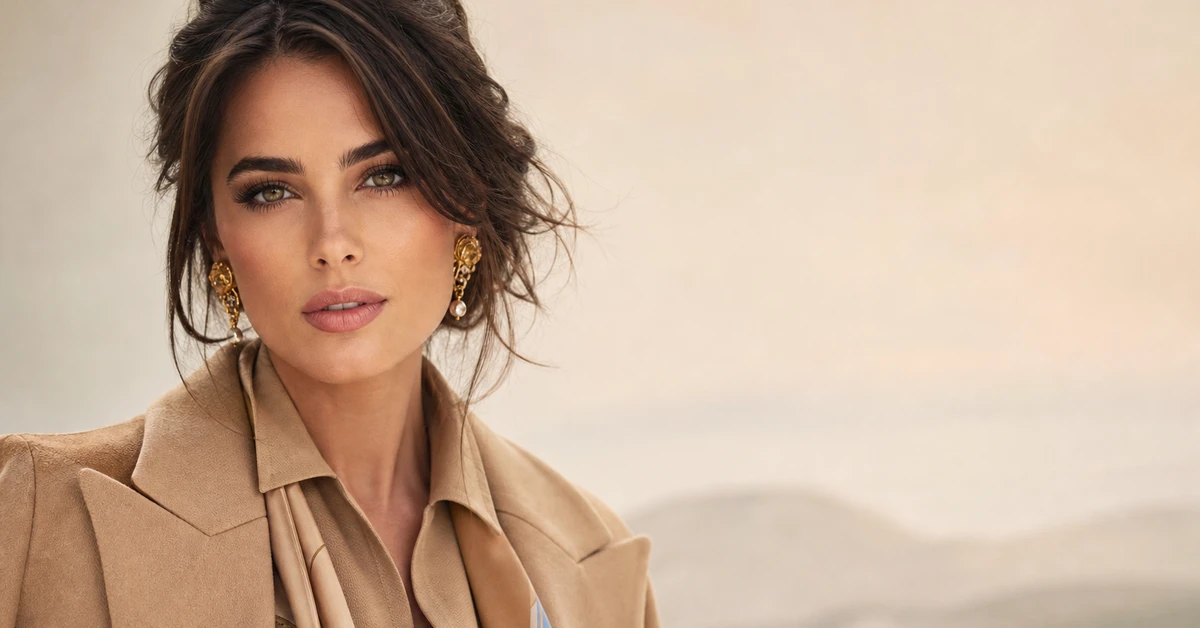
A tan trench is the most-worn thing in half the wardrobes I see, and almost nobody knows what to do with it. I had a client who owned three, camel, biscuit, sand, and styled every single one the same way: over black, with gray underneath, ending in black boots. They looked fine. They also looked like she'd given up. We swapped the black for a chocolate knit and a crisp white shirt, added a teal scarf, and the same coat suddenly looked like money. Tan didn't change. Its company did.
That's the whole secret with tan. It's a quiet, warm light-brown, so it doesn't shout for attention, which means whatever you put beside it gets to do the talking. The mistake I see most is treating tan as a beige nothing and surrounding it with cool grays and black until the whole outfit goes flat. Tan wants warmer, richer, or cleaner company than that. Give it the right partners and it reads expensive and effortless; give it the wrong ones and it just looks tired.
What kind of color tan actually is
Here's the thing worth understanding before you pick a single pairing: tan isn't really its own hue. It's a light, low-chroma orange: orange with most of the color drained out and a lot of light folded in. Camel, biscuit, sand, fawn, greige: they're all variations on that same warm, pale base, sitting a few shades lighter than full brown.
Two facts follow from that, and they explain almost everything. First, because tan is fundamentally warm and orange-based, its opposite on the color wheel is blue: which is exactly why teal, navy and cobalt look so unexpectedly sharp beside it. They're the cool counterpoint that makes tan's warmth glow instead of sitting flat. Second, because tan is so muted and soft, it gets along easily with both warm earth tones (terracotta, mustard, chocolate) that are its siblings, and with clean neutrals (white, cream, charcoal) that give it crispness. What it can't take is competition: a screaming neon next to gentle tan looks like a costume.
One more nuance. "Tan" covers a real range, from a warm, golden camel through to a cooler, gray-leaning greige. Warmer tans love warmer partners, chocolate, olive, terracotta. Cooler, greige tans can carry the crisp, cool partners, navy, teal, true white, more easily. The pairings below work right across that range; you just lean warm or cool to match your particular tan.
The best colors to go with tan
These are the ten I come back to again and again, a mix of warm depth, cool counterpoints and a couple of softer and brighter notes to keep it from getting predictable.
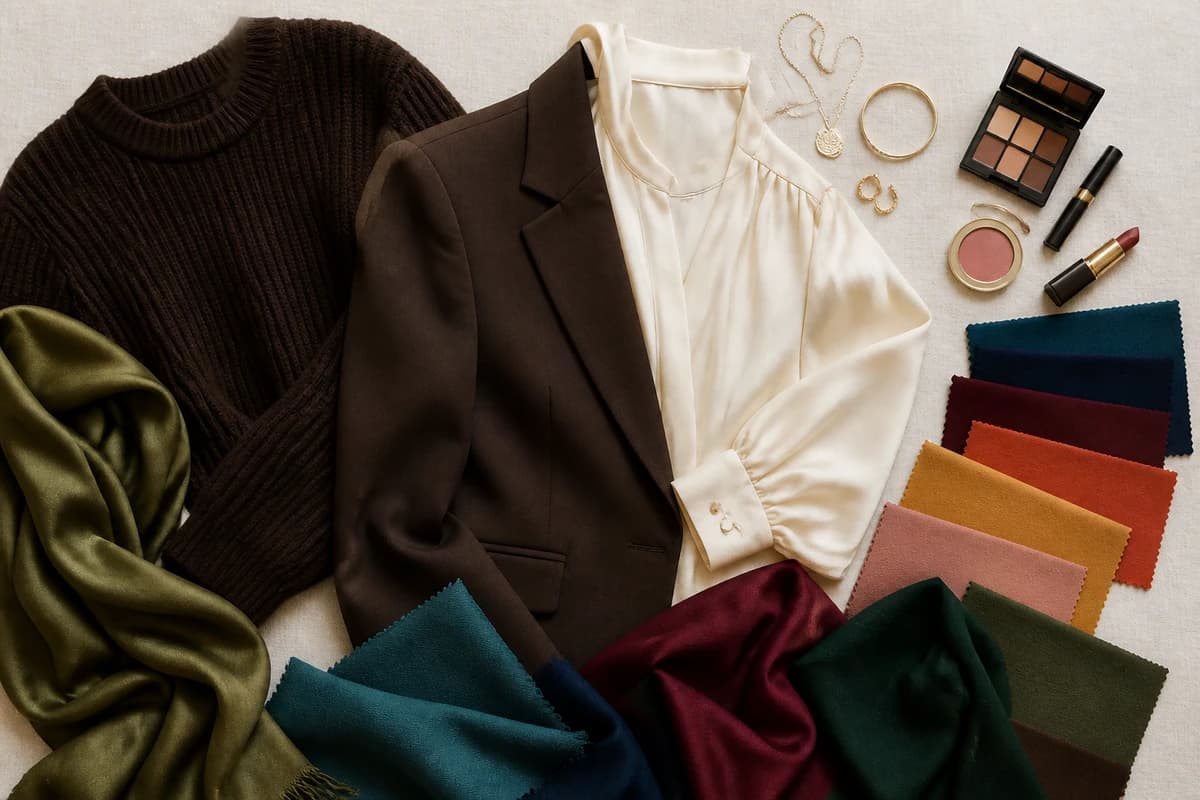
::img:palette:: {#the-palette}
| Color | Hex | Why it works |
|---|---|---|
| Chocolate Brown | #4B3A2F |
Tan's natural deep partner. A tonal brown-on-tan look is rich, grown-up and reliably expensive, my desert-island pairing. |
| Olive Green | #6B6F3A |
Earthy and warm, olive sits in tan's family and gives it a quiet, military polish. |
| Teal | #1F7A7A |
Cool and slightly green, close to tan's true opposite, so it lights the warmth up without ever shouting. |
| Navy | #27364F |
The smart, modern alternative to black beside tan. Crisp, classic and far less flattening. |
| Burgundy | #6E2A33 |
A deep wine red that shares tan's warmth and adds instant autumn richness. |
| Terracotta | #C2622E |
A warm clay orange, tan's brighter sibling. Tonal, sun-warmed and very current. |
| Forest Green | #2E5339 |
Deep, saturated green is nature's own pairing with tan. Luxe and woodland-rich. |
| Mustard Yellow | #D6A12C |
Golden and earthy, it makes tan look sunlit. The warm-on-warm move that always works. |
| Dusty Pink | #D49B95 |
A soft, muted rose that flatters tan the way it flatters skin, gentle and quietly romantic. |
| Cobalt Blue | #2D4D9E |
When you want energy, a clean cobalt against tan is striking and modern without being loud. |
Neutrals that go with tan: Crisp White #F4F1EA (the cleanest, most flattering partner), Cream #F1E7D3 (a softer off-white for warmer tans), Charcoal #3A3A3C (the warm-friendly stand-in for black), Warm Taupe #9C8A78 (layers into a quiet, expensive monochrome), and Ivory #EDE8DD (a gentle white that never looks stark).
Which version of tan actually suits YOU?
Find your color season →Colors to avoid with tan
- Stark optic white: on a very warm, golden tan, a bright blue-white can look slightly harsh and clinical. It's only an issue at the warm end; reach for cream or ivory instead and the whole thing softens.
- Cool dove gray: a blue-gray beside warm tan drains both, and the outfit goes a little flat and joyless. Swap in warm taupe or charcoal, which keep the warmth intact.
- Hot neon brights: electric pink, acid lime, vivid orange. Tan is soft and muted, so screaming brights overpower it and the pairing reads costume-y. If you want brightness, use cobalt, terracotta or mustard, which carry their own confidence without bullying the tan.
None of these are forbidden, they're just the combinations that most often disappoint, so treat them as handle-with-care rather than off-limits.
Tan outfit combinations
- Camel + white + chocolate. A tan coat over a crisp white shirt, with chocolate trousers or boots. My go-to: clean, warm and quietly luxurious in three pieces.
- Tan + navy + gold. Tan trousers, a navy knit, gold jewelry. The smart-casual formula that reads polished without trying, navy does the work black usually fails at.
- Sand + olive + cream. A sand skirt or trouser, an olive top and a cream layer. Earthy, soft and very current for autumn.
- Biscuit + burgundy + terracotta. A tan base with a burgundy knit and terracotta accessories. All warm, all rich, proof tan can do bold, not just neutral.
How to wear tan for your color season
Tan is universal in theory and personal in practice. The version of tan that flatters you, and the partner colors that sing beside it, depends on your own undertone, depth and contrast.
If you're warm and deep (a True or Deep Autumn, say), a golden camel-tan is made for you, and it'll happily carry the richer partners like burgundy, chocolate and forest green. If you're light and warm, a softer biscuit or sand with cream, dusty pink and olive will feel more like you. If you're cool, you're better in a greige-leaning tan paired with the cooler partners, navy, teal, cobalt and crisp white, and you'll want to keep golden, orange-heavy tans to a minimum. And if you're high-contrast, lean into the white-and-chocolate pairing; if you're low-contrast, a tonal tan-and-taupe look will be far more flattering than anything sharp.
That's the part a generic chart can't do for you. Our color analysis guides walk through each season, and if you want to go deeper on the warm neutral itself, my guide on how to wear brown covers the deeper end of this same family, while how to wear beige handles the lighter, cooler cousins of tan. A personal analysis reads your photo and tells you the exact tan, and the exact teal, the exact burgundy, that lights your face up rather than washing it out.
Putting it together
Build a small tan capsule and the rest looks after itself: pick one tan you love, one clean neutral (white or cream), one deep partner (chocolate or navy), and a color or two from the list above, say teal, terracotta or dusty pink. Everything mixes, because tan is the steadiest warm base in the wardrobe and these partners were all chosen to flatter it. Stop treating tan as the beige you settle for, and start treating it as the warm, quiet backdrop it really is, then let one well-chosen color beside it do the talking.
Frequently asked questions
What colors go with tan?
Tan pairs beautifully with deep warm shades like chocolate brown, burgundy and terracotta; cool counterpoints such as teal, navy and cobalt; and greens like olive and forest. Mustard and dusty pink round it out. For neutrals, crisp white, cream, charcoal, warm taupe and ivory all sit happily beside it. The single most reliable combination is tan with white and a touch of chocolate or navy.
What color best complements tan?
Tan is a soft, light brown, essentially a pale, muted orange, so on the color wheel its true complement is blue. That is why teal, navy and cobalt look so crisp and deliberate against it. White is the easiest partner if you want something foolproof; it makes tan look clean and expensive. For depth, chocolate brown is the most flattering dark to put beside tan.
What colors should you not wear with tan?
Be careful with stark optic white if your tan leans very warm (a softer cream or ivory is kinder), with cool dove grays that can drain the warmth and look a little flat, and with neon brights that overpower tan's quiet softness. None are banned outright, but they are the combinations that most often fall short. Swap cool gray for warm taupe or charcoal, and swap neon for terracotta or mustard.
What neutrals go with tan?
Crisp white and ivory are the cleanest and most flattering partners; cream keeps a look soft and tonal; warm taupe layers beautifully for a quiet, expensive monochrome; and charcoal is the modern stand-in for black that won't fight tan's warmth. These five do most of the quiet work in a tan-based wardrobe.
Does tan suit my skin tone, and which pairings work for me?
Tan is close to universal, but the exact shade and its best partners shift with your coloring. Warm, golden complexions glow in camel-leaning tan with chocolate, olive and terracotta; cooler complexions suit a greige-leaning tan with navy, teal and crisp white. The combinations stay the same in spirit, a personal color analysis tells you your most flattering version of both the tan and its partner.
Related guides

Colors That Go With Charcoal
A stylist's guide to the colors that go with charcoal gray, 10 pairings plus 5 neutrals with hex codes, outfit combinations and what to avoid.
Colors That Go With Khaki
A stylist's guide to the best colors that go with khaki, navy, rust, burgundy, white and more, with hex codes, outfit combinations and what to avoid.
Colors That Go With Peach
The best colors to pair with peach, neutrals, complementary shades and combinations that flatter, with a ready-to-use palette and stylist tips.
Colors That Go With Mint Green
A stylist's guide to the colors that go with mint green, coral, navy, blush, gold and more, with hex codes, outfit combinations and shades to avoid.
Colors That Go With Maroon
A stylist's guide to the colors that go with maroon, 10 pairings and 5 neutrals with hex codes, outfit combinations, what to avoid, and how to wear it.
Colors That Go With Turquoise
A stylist's guide to the colors that go with turquoise, 10 pairings and 5 neutrals with hex codes, outfit ideas, what to avoid
Prefer in person? Find color analysis near you
Browse local color analysts by city, or get the same season, palette and best-colors breakdown online from one selfie.
See your colors on a photo of you
Upload one selfie and ToneLala reveals your season, your full palette, and your best hair, makeup, jewelry and outfits, styled on you.