In a sentence: the most flattering hair color matches your skin's undertone (warm skin → golden, honey, caramel, copper, auburn, warm brown; cool skin → ash blonde, ash brown, cool dark brown, espresso) and stays within about two shades of your natural depth. Skip to the chart, your skin tone, or find your undertone from a photo.
Hair Color for Your Skin Tone: The Complete Match Chart
By ToneLalaUpdated September 5, 2026
Contents
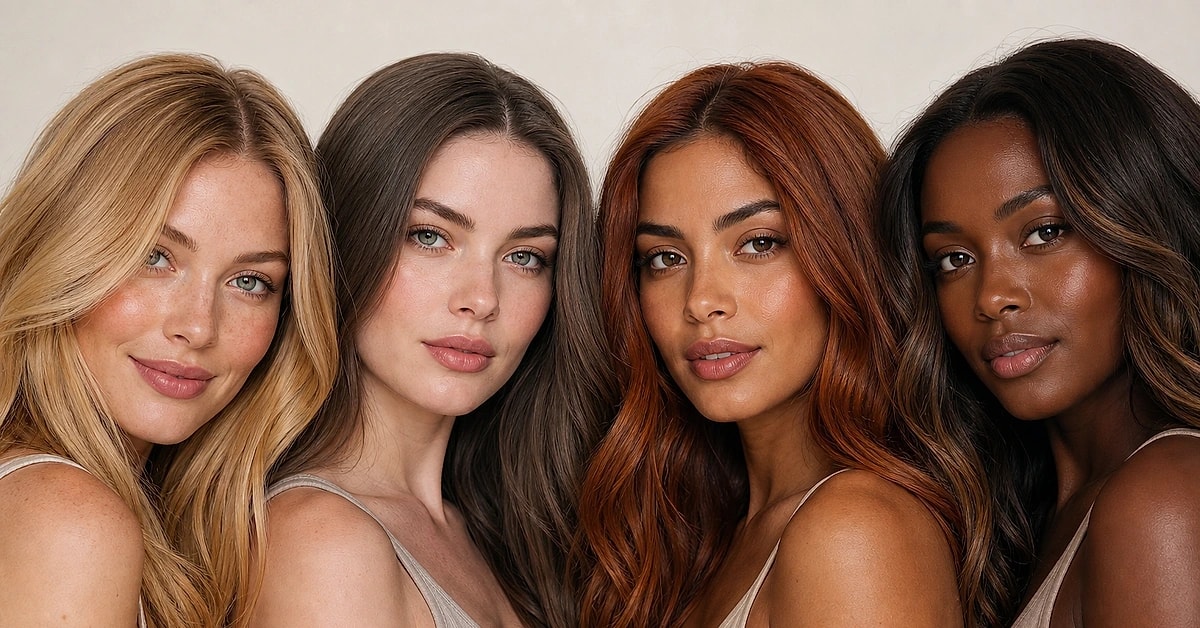
The hair color you love on someone else is the hair color that suits their skin, which is why the salon photo you brought in so rarely turns out the way you hoped. Hair sits right against the face, it's the biggest color you wear, and if its undertone fights your skin's undertone, no amount of shine or styling fixes it. Ash brown on golden skin reads muddy; copper on pink skin reads ruddy; platinum on olive skin reads green. Match the undertone and almost any depth looks like it grew that way.
This is the chart I give clients before they see a colorist: the flattering shades for every skin tone and undertone, the shades that wash each one out, and the two rules that govern all of it. For a specific shade, the individual guides go deeper, copper, auburn, ash brown and hair colors for dark skin, and the hair color hub lists every shade we've covered.
The two rules
- Undertone match. Hair color has a temperature, golden, red and warm brown are warm; ash, platinum and blue-black are cool; some browns and "neutral" blondes sit between. Your skin has a temperature too. When they match, the skin looks clear; when they clash, the skin looks ruddy, sallow or gray. If you don't know your undertone, the how to find your undertone guide takes five minutes.
- Depth within two shades. Your natural hair color is already matched to your skin's depth. Going more than two levels lighter or darker changes the contrast of your whole face, and it usually needs makeup and brow changes to work. Big changes can look wonderful, but they're a project; small changes are a guarantee.
Hair color by skin tone
| Skin tone | Warm undertone → | Cool undertone → | Avoid |
|---|---|---|---|
| Fair | Golden blonde, strawberry, honey, light caramel | Ash blonde, platinum, cool light brown, soft black | Hair as pale as the skin; brassy yellow on cool fair skin |
| Light–medium | Honey, caramel, golden brown, copper | Ash brown, mushroom brown, cool chestnut | Orange-toned brown on cool skin; ash on warm skin |
| Olive | Chestnut, warm espresso, caramel, mahogany | Cool dark brown, espresso, soft black | Ash blonde, platinum, brassy gold, the cast turns green or gray |
| Tan | Caramel, toffee, copper, auburn, warm chocolate | Cool dark brown, espresso, cool black | Ashy blonde; hair the same color as the skin |
| Deep | Espresso, mahogany, deep auburn, dark copper, caramel balayage | Soft black, blue-black, cool espresso | Cool platinum, ash brown, flat gray tones |
Fair skin is flattered by contrast. Fair cool skin looks luminous with ash blonde, platinum, cool light brown and, for dramatic coloring, a soft black; fair warm skin glows in golden blonde, strawberry, honey and light caramel. The mistake on fair skin is hair that's as pale as the face, which erases the features; a shade or two of depth adds definition. See best colors for fair skin.
Light-to-medium skin has the widest range. Warm: honey, caramel, golden brown, copper. Cool: ash brown, mushroom brown, cool chestnut. Neutral skin at this depth can move between them, but should avoid the extremes, a very ashy ash or a very brassy gold.
Olive skin is the most often mis-colored, because olive's green-gray cast punishes ash (gray) and brass (sallow) equally. The answer is rich, neutral-to-warm depth: chestnut, warm espresso, caramel, mahogany. Keep highlights warm and low-contrast. Full detail in olive skin undertones.
Tan skin carries warm richness beautifully, caramel, toffee, copper, auburn, warm chocolate, and cool tan skin suits espresso and cool dark brown. Avoid hair the same value as the skin, which flattens everything.
Deep skin looks richest with depth and gloss: espresso, soft black, mahogany, deep auburn, dark copper, with caramel or honey balayage for light. Ash and cool platinum dull deep skin; warm, glossy tones make it glow. Full guide: best hair colors for dark skin.
The chart
Ten hair shades, five warm, five cool, with the skin tones each one flatters.
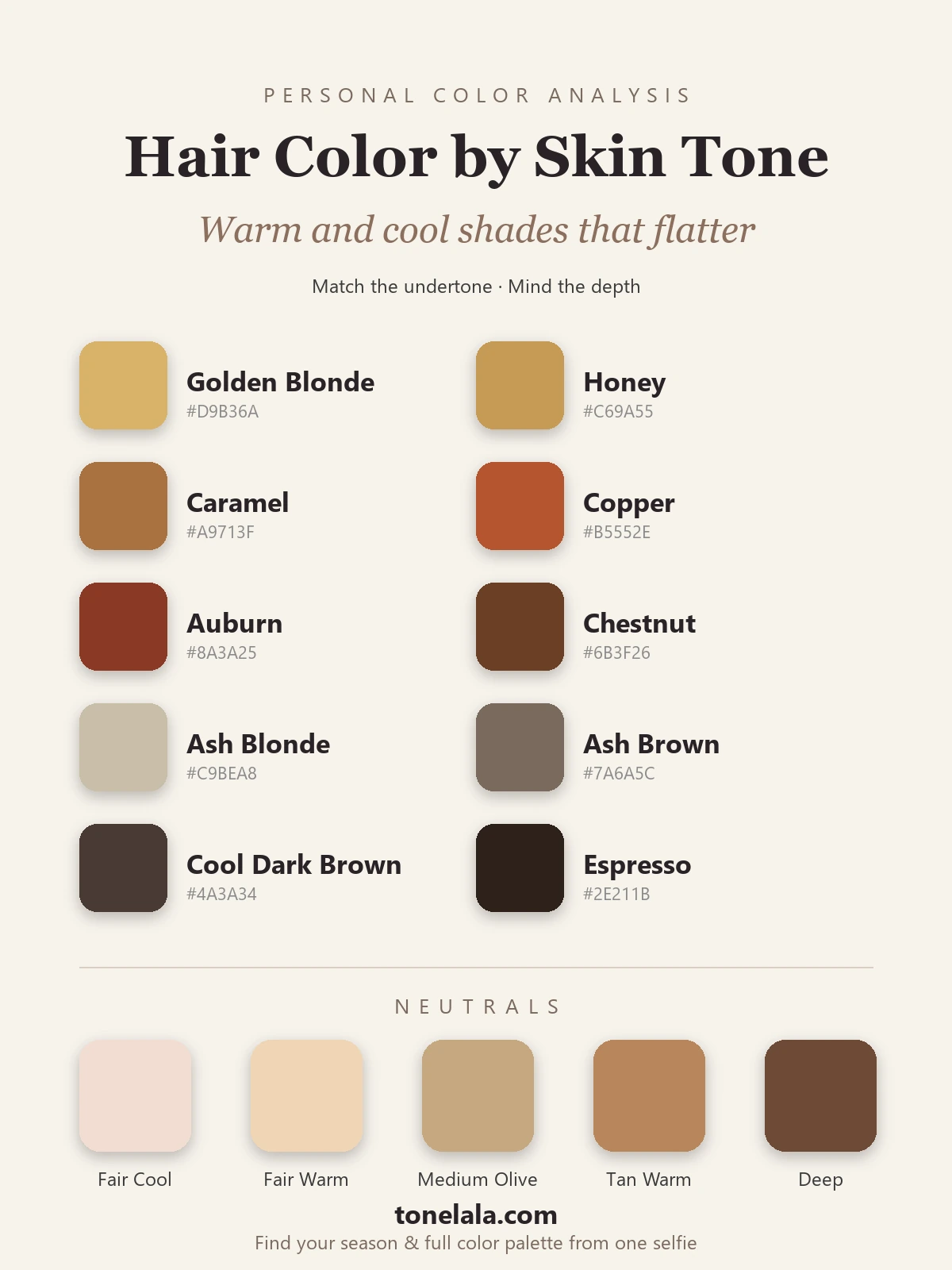
| Hair color | Hex | Tone | Best on |
|---|---|---|---|
| Golden Blonde | #D9B36A |
Warm | Fair and light warm skin |
| Honey | #C69A55 |
Warm | Fair to medium warm skin |
| Caramel | #A9713F |
Warm | Medium, olive and tan skin; balayage on deep skin |
| Copper | #B5552E |
Warm | Fair-to-medium warm skin, warm tan skin |
| Auburn | #8A3A25 |
Warm | Fair, medium and tan warm skin; deep auburn on deep skin |
| Chestnut | #6B3F26 |
Warm-neutral | Olive, medium and tan skin |
| Ash Blonde | #C9BEA8 |
Cool | Fair and light cool skin |
| Ash Brown | #7A6A5C |
Cool | Light-to-medium cool skin |
| Cool Dark Brown | #4A3A34 |
Cool | Medium, olive-cool and tan cool skin |
| Espresso | #2E211B |
Neutral-cool | Olive, tan and deep skin |
Skin bases for reference: Fair Cool #F2DCD2, Fair Warm #F0D5B4, Medium Olive #C6A880, Tan Warm #B8875B and Deep #6E4A36.
Warm or cool? Find your undertone from a selfie
Find your color season →The shades that wash people out
- Ash on warm skin. Ash blonde or ash brown on golden or peachy skin makes the face look muddy and tired.
- Brass on cool skin. Golden or copper tones on pink skin read ruddy; the cheeks look flushed in the wrong way.
- Platinum or ash on olive. The green cast turns gray-green. Olive skin needs warmth and depth in the hair.
- Hair that matches the skin. A toffee-brown on tan skin, a beige-blonde on fair skin: no contrast, no definition.
- Cool black on warm fair skin. Blue-black next to golden fair skin is stark and aging; a warm dark brown is kinder.
- Flat, matte color on deep skin. Deep skin wants gloss and richness; a flat ash or gray-toned brown dulls it.
Hair color and your color season
Skin undertone and color season are the same fact, so your season is a shortcut to your hair color family. Springs suit golden blonde, honey, strawberry and light caramel; Autumns suit copper, auburn, caramel, chestnut and warm chocolate; Summers suit ash blonde, mushroom brown, ash brown and cool light brown; Winters suit cool dark brown, espresso, soft black and blue-black. The sub-season sets the depth: Light seasons lighter, Deep seasons darker, Soft seasons more muted, Bright seasons clearer. Each season guide, for example Soft Summer or Deep Autumn, has a hair-color section, and a photo-based analysis reads undertone, depth and contrast together so you can walk into the salon with the right family already chosen.
What to tell your colorist
Bring the family, not the photo. "Warm, within two shades of my natural, no ash" or "cool, no brass, keep the depth" gets a better result than a picture of someone with different skin. Ask for the toner to match your undertone (warm skin: gold or copper toner; cool skin: violet or blue-based toner), and if you want lightness, ask for balayage in your temperature rather than an all-over lift, it keeps the depth near the face where it matters.
Putting it together
Find your undertone, pick the matching column, stay within two shades of natural, and tell your colorist the family. Golden, honey, copper and auburn if you're warm; ash, cool brown and espresso if you're cool; rich neutral depth if you're olive; glossy richness if you're deep. Hair color that matches your skin doesn't look dyed. It looks like the version of you that photographs well every time.
Frequently asked questions
How do I know which hair color suits my skin tone?
Match the hair's undertone to your skin's undertone and keep the depth within about two shades of your natural color. Warm skin (golden, peachy, tans easily) suits golden, honey, caramel, copper, auburn and warm brown; cool skin (pink, rosy, burns easily) suits ash blonde, ash brown, cool dark brown and espresso; neutral skin can wear both if the shade isn't extreme.
What hair color is most flattering for fair skin?
For fair cool skin: ash blonde, platinum, cool light brown and soft black for high contrast. For fair warm skin: golden blonde, strawberry, honey and light caramel. Fair skin is washed out by hair that matches its own lightness, so a little contrast (a slightly deeper or richer shade) usually looks better than very pale hair.
What hair color suits olive skin?
Olive skin looks best in rich, neutral-to-warm shades close to its natural depth: chestnut, warm espresso, caramel, mahogany and dark chocolate. Ash tones make olive skin look gray and very light blonde makes the green cast look sallow; warm caramel highlights add light without either problem.
What hair color suits deep skin?
Deep skin carries rich, saturated hair color: espresso, soft black, mahogany, deep auburn, dark copper and warm chocolate, with caramel or honey balayage for dimension. Ashy tones and cool platinum make deep skin look dull; warm, glossy depth makes it glow.
Can cool undertones wear warm hair color?
Only in small doses. A cool-toned person in an all-over golden or copper shade tends to look ruddy or sallow, but subtle warm balayage through a cool base, or a neutral shade with a hint of warmth, is wearable. The safer route is a cool or neutral base with the warmth kept to a few pieces.
Should hair color be lighter or darker than skin tone?
Either, as long as there is some contrast. Hair the same value as the skin flattens the face; one to two shades lighter or darker adds definition. Very fair skin usually looks better with hair slightly deeper than the skin, and deep skin looks richest with hair close to or deeper than its own depth.
Related guides
Gold vs Silver: Which Suits You
A color analyst on whether gold or silver jewelry suits you, three quick undertone tests, why one metal lifts your face, and what to wear if you're neutral.
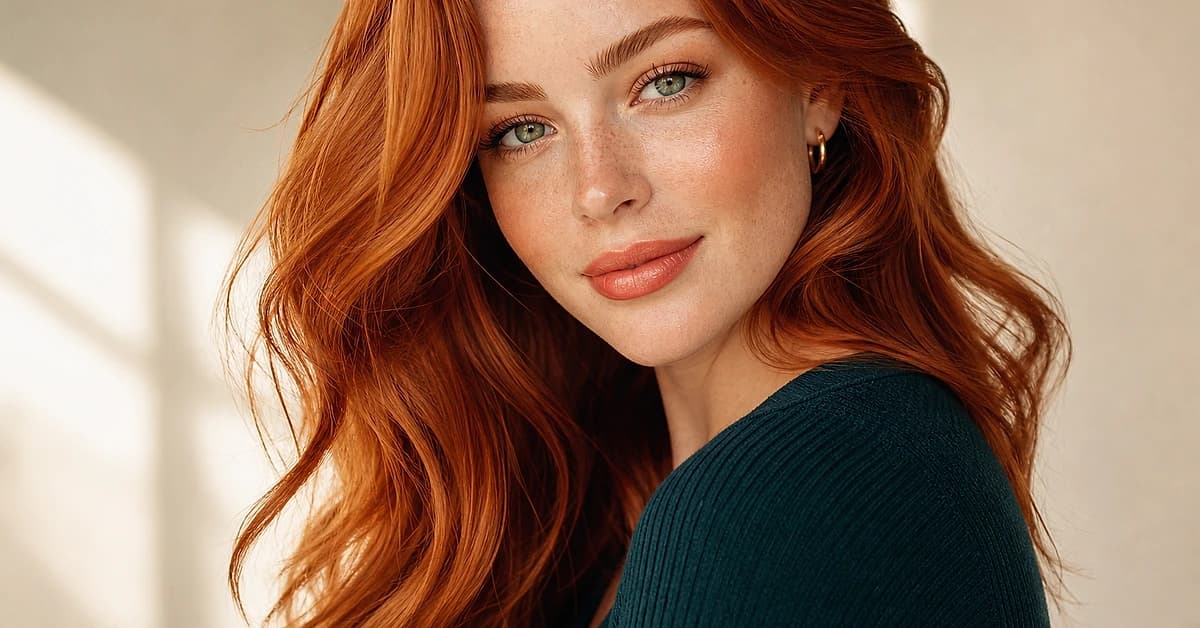
Which Skin Tones Suit Copper Hair? A Color Analyst's Guide
Copper hair flatters warm skin, but which depths and undertones exactly? A color analyst explains who suits copper, which copper shade to choose, and how to wear it if you're cool.
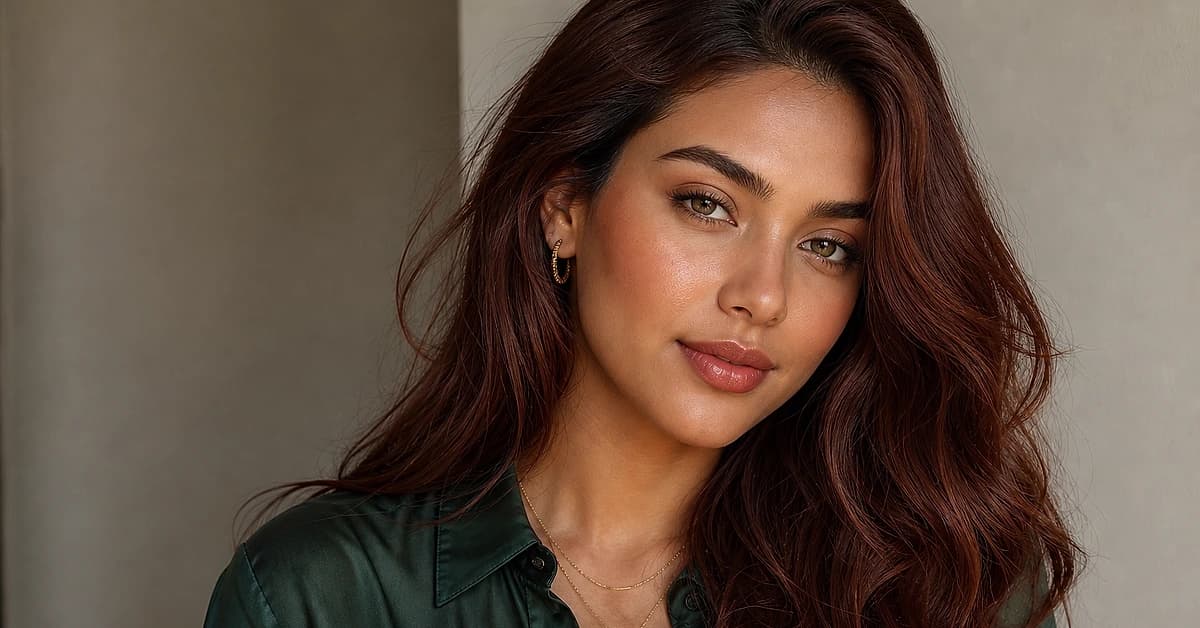
Which Skin Tones Suit Auburn Hair? A Color Analyst's Guide
Auburn is the most wearable red, but who does it flatter? A color analyst explains which skin tones and undertones suit auburn, which shade to pick, and how cool skin can wear it.
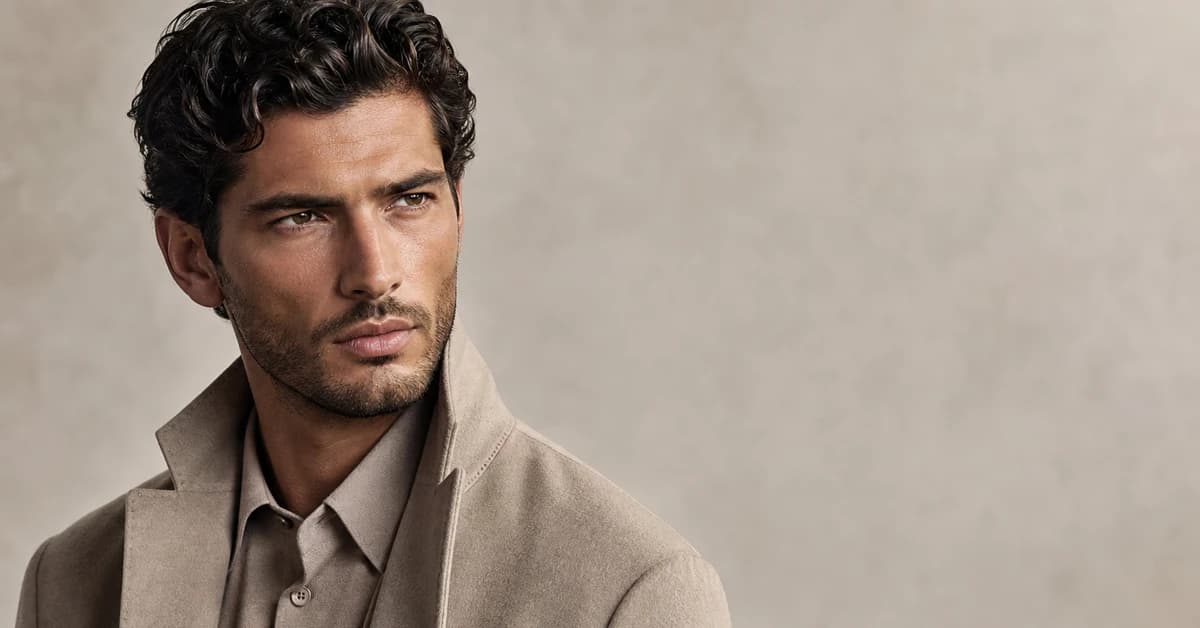
Color Analysis for Men
A color analyst's guide to color analysis for men, find your undertone and season, and the shirt, suit and casual colors that actually flatter you.
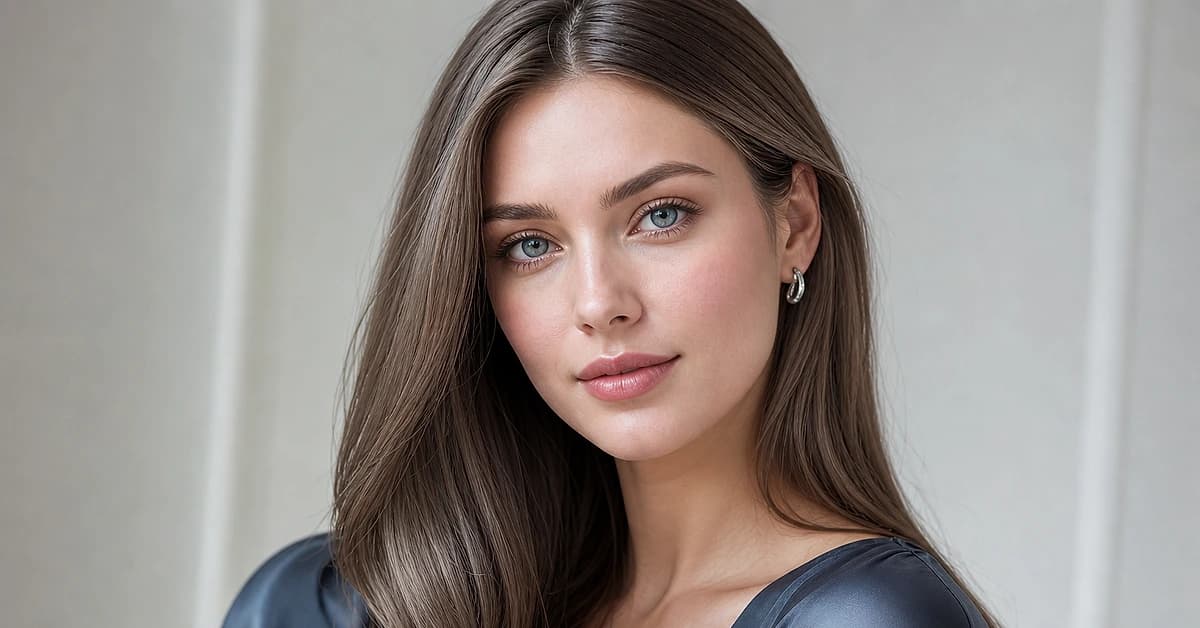
Which Skin Tones Suit Ash Brown Hair? A Color Analyst's Guide
Ash brown flatters cool and neutral skin and washes out warm skin. A color analyst explains exactly who suits it, which ash brown to choose, and the warm-skin workaround.
What Is My Skin Undertone
A color analyst explains what your skin undertone is, how to find it with simple at-home tests, and the colors that flatter cool, warm and neutral undertones.
Prefer in person? Find color analysis near you
Browse local color analysts by city, or get the same season, palette and best-colors breakdown online from one selfie.
See your colors on a photo of you
Upload one selfie and ToneLala reveals your season, your full palette, and your best hair, makeup, jewelry and outfits, styled on you.