In a sentence: to find your undertone, run the vein, jewelry, white-paper and sun tests together in daylight, green veins, flattering gold, peachy skin against white and easy tanning point warm; blue veins, flattering silver, rosy skin and burning point cool; a genuine tie points neutral. See the reference palette or find your season.
How to Find Your Undertone
By ToneLalaUpdated July 10, 2026

Contents
A client once told me, quite confidently, that she was warm, golden, like her mother. Then she held a sheet of plain paper under her chin and the pink in her skin jumped out at both of us. She'd been buying camel and rust for a decade and quietly wondering why she always looked a little tired in them. Undertone does that. It's the steady hue sitting underneath your skin, and it decides which colors make you look lit and which ones borrow the life out of your face, but it hides in plain sight, because the surface color you actually see keeps shifting with sun and season.
That's the thing to hold onto before you test yourself. Skin tone is what you'd describe to a foundation counter, fair, medium, deep, and it tans, fades and flushes. Undertone is the quieter color beneath it, and it doesn't move. The four tests below are how I read undertone on a client in the first minute, and the rule that matters most is this: never trust a single one. Run them together, look for agreement, and your undertone will show itself.
First, undertone vs skin tone
Picture two friends with the same pale skin. One looks radiant in cream and gold and a bit gray in pure black; the other looks crisp in white and silver and slightly muddy in camel. Same surface tone, opposite undertones, and that gap is the whole reason "find your undertone" is worth the ten minutes.
There are three answers. Warm undertones have gold, peach or yellow underneath. Cool undertones have pink, red or blue. Neutral sits between, with no strong pull either way (and "olive" is usually a neutral or warm-neutral skin with a green-gray cast). Your job isn't to force yourself into warm or cool, plenty of people land neutral. It's to read the signals honestly and see where they cluster.
The vein test
Roll your inner wrist towards a window, daylight only, never under a yellow bulb, and look at the veins through your skin.
- Green or olive veins lean warm. The yellow in your skin is sitting over the blue of the veins like a filter and tinting them green.
- Blue or purple veins lean cool. Your skin isn't adding that yellow wash, so the veins keep their true blue.
- A mix, or you honestly can't decide: that's a real result, and it usually means neutral.
It's a genuinely useful clue because it's reading the same yellow-versus-pink balance everything else does. But it's also the test people most often over-trust, so don't stop here. I've seen green-ish veins on a cool client whose other three tests all said pink. One reading is a hint; agreement across tests is the answer.
The jewelry test
This is the one I rely on most, because it shows you the effect undertone has on your face rather than your wrist. In daylight, with bare skin and no makeup, hold a piece of gold jewelry up beside your jaw, then swap it for silver. Don't look at the metal, look at your skin next to it.
- If gold makes your skin look even, lit and healthy while silver leaves it a touch gray or sallow, you're warm.
- If silver makes your skin look clean and fresh while gold makes it look yellow or muddy, you're cool.
- If both genuinely flatter you and you'd happily wear either, you're neutral: lucky you.
Take your time and trust the first honest impression rather than the metal you wish suited you. If you can, do it next to a window with a friend, because we're all a little biased about our own faces.
The white-paper test
Here's the one that caught out my golden-not-golden client. Pull your hair back, take off makeup, and hold a sheet of plain white printer paper flat against your bare face, cheek, jaw, neck, in daylight. The stark, truly neutral white gives your skin nothing to hide behind, so its underlying hue surfaces by contrast.
- Skin that looks yellow, peachy or golden against the white is warm.
- Skin that looks pink, rosy or slightly blue is cool.
- Skin that looks fairly even and balanced: neither obviously yellow nor pink, is neutral.
Two cautions. Use genuinely white paper, not cream or recycled stock, or you'll skew the read. And ignore active redness from spots or rosacea; you're looking for the steady cast across your whole face, not a single flushed patch.
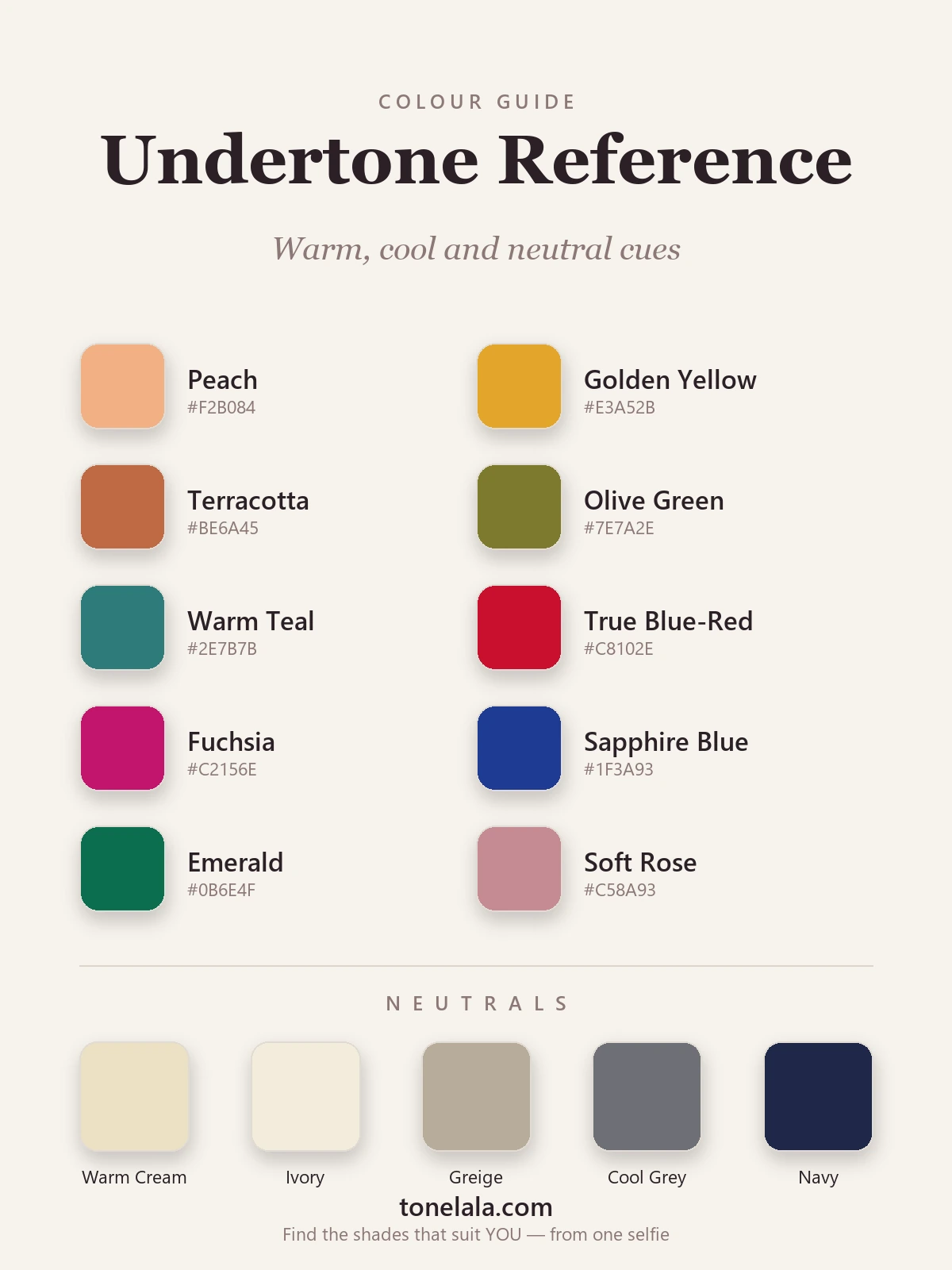
The swatch above is a quick visual anchor. The warm cluster, Peach #F2B084, Golden Yellow #E3A52B, Terracotta #BE6A45, Olive Green #7E7A2E and Warm Teal #2E7B7B, is the family that flatters golden skin. The cool cluster, True Blue-Red #C8102E, Fuchsia #C2156E, Sapphire Blue #1F3A93, Emerald #0B6E4F and Soft Rose #C58A93, is what lights up rosy skin. On the neutral side, Warm Cream #EDE0C4 and Ivory #F3ECDC beat stark white for warm and balanced skins, Greige #B7AC9B is the easy in-between, and Cool Gray #6E7076 and Navy #1E2749 give cool skin its quiet backbone. Notice your eye drifting to one side as you read your tests, that drift is information.
The sun test
Your skin's history tells on it, so think back over summers rather than this week.
- If you tan easily and rarely burn, going golden or olive-brown, you most likely lean warm.
- If you burn first, stay pink, and only tan reluctantly, you most likely lean cool.
- If you burn a little then tan, you're probably neutral.
It's the softest of the four, sun behavior is shaped by ethnicity and melanin as well as undertone, so weight it least. But when it agrees with the paper and jewelry tests, it's a satisfying tiebreaker.
Tired of guessing and want a definite answer?
Find your color season →Reading your results together
Now line the four tests up and look for the cluster. Three or four pointing the same way is a clear undertone. A genuine split, gold and silver both fine, veins ambiguous, skin neutral against white, isn't a failure of the tests; it's the tests correctly telling you that you're neutral.
Honest caveats, because I'd rather you trusted this. Do it all in daylight; artificial light is the single biggest reason home tests go wrong. Do it bare-faced. And know the limit of what undertone gives you: it tells you the temperature of your palette, not your exact shades. A warm undertone could be a light, bright Spring or a deep, muted Autumn, and those want very different colors. Undertone is step one of three, depth and clarity finish the job.
That's where seasonal analysis comes in. Once you know your undertone, our color analysis guides help you place yourself: if you read warm, start with True Autumn; if you read cool, look at True Summer. They show how undertone, depth and contrast combine into a full palette rather than a single warm-or-cool label.
Putting it together
Finding your undertone is genuinely the highest-leverage ten minutes you can spend on your wardrobe, because every color decision afterwards gets easier, which white, which red, which metal, which foundation. Run the four tests in daylight, look for where they agree, and you'll have a fixed point that doesn't change with your tan. From there it's about matching depth and clarity to land your exact shades, and that last mile is hard to judge in your own mirror, it's precisely what a photo-based analysis settles, handing you not "you're warm" but your specific peach, your specific red. Start with the tests today, then let an analysis turn "I think I'm warm" into a palette you can actually shop from.
Frequently asked questions
How do I find my undertone at home?
Use four quick checks together, never just one. Look at the veins on your inner wrist in daylight (green leans warm, blue or purple leans cool); hold gold then silver jewelry to your face and see which makes your skin look clean rather than tired; lay a sheet of plain white paper under your bare face and notice whether your skin reads yellow-peach (warm) or pink-rosy (cool); and think about how you react to sun, easy tanning leans warm, burning and staying pink leans cool. When most of the tests point the same way, that's your undertone.
What is the difference between undertone and skin tone?
Skin tone is the surface color you can see and that changes, it gets darker with a tan, paler in winter, ruddier when you're warm. Undertone is the steady hue underneath it, and it doesn't shift with sun or season. Two people can share the same fair skin tone yet have opposite undertones, one golden and one rosy, which is exactly why they suit such different colors. When you pick clothes and makeup, undertone is the thing that matters.
How does the vein test tell warm from cool undertones?
Turn your wrist to the light and look at the veins through your skin. If they read green or olive, the warm yellow in your skin is tinting the blue of the veins, which points to a warm undertone. If they read blue or purple, your skin is cooler and isn't adding that yellow filter, which points to cool. If you genuinely can't decide, or you see both, that's a real signal too, it usually means neutral. The vein test is a useful clue, not a verdict on its own, so always read it alongside the jewelry, paper and sun tests.
What does it mean if I can't tell whether I'm warm or cool?
It usually means you're neutral, and that's common, your skin carries a fairly even balance of warm and cool, so the gold-versus-silver and vein tests come out a draw. Neutral undertones are flexible: most colors work as long as they aren't at the extreme warm or extreme cool ends. The trick for neutral skin is matching the depth and clarity of a color rather than chasing temperature, which is where a full seasonal analysis earns its keep.
Can my undertone change over time?
No, your underlying undertone stays the same through tans, seasons and most of adult life. What changes is your surface skin tone and, slowly, your contrast as hair grays or lightens, which can shift which shades flatter you even though the undertone hasn't moved. So you only need to find your undertone once; after that it's a fixed point you can build every color decision around.
Related guides

Warm vs Cool Undertones
A color analyst's guide to warm vs cool undertones: simple at-home tests, the neutral middle ground, and example colors with hex codes for each.

Warm vs Cool Skin Tone: How to Tell
Learn how to tell if you have a warm, cool or neutral skin tone with simple at-home tests, plus the colors that flatter each undertone.

Warm-Toned Skin: How to Tell & Best Colors
How to tell if you have warm-toned skin, the vein, jewelry and white-paper tests, plus the colors, metals and neutrals that flatter warm skin
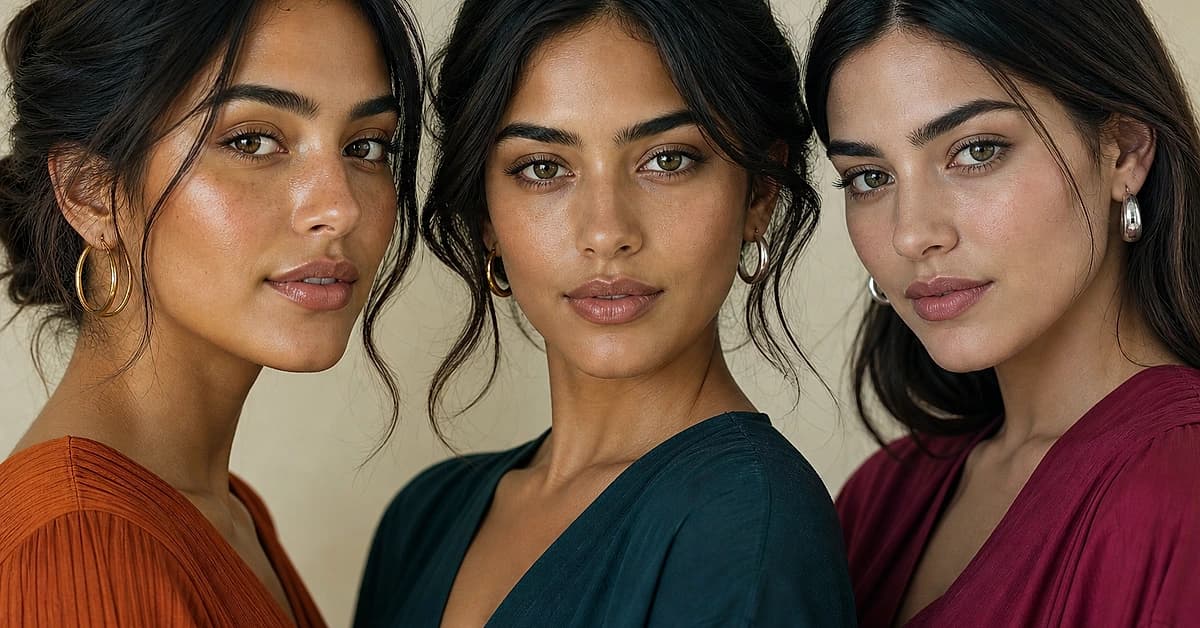
Olive Skin Undertones: Warm, Cool and Neutral Olive Explained
Olive skin is a green-gray cast that can sit over a warm, neutral or cool undertone. Five daylight tests to tell which olive you are, with the colors, makeup, hair and seasons for each.
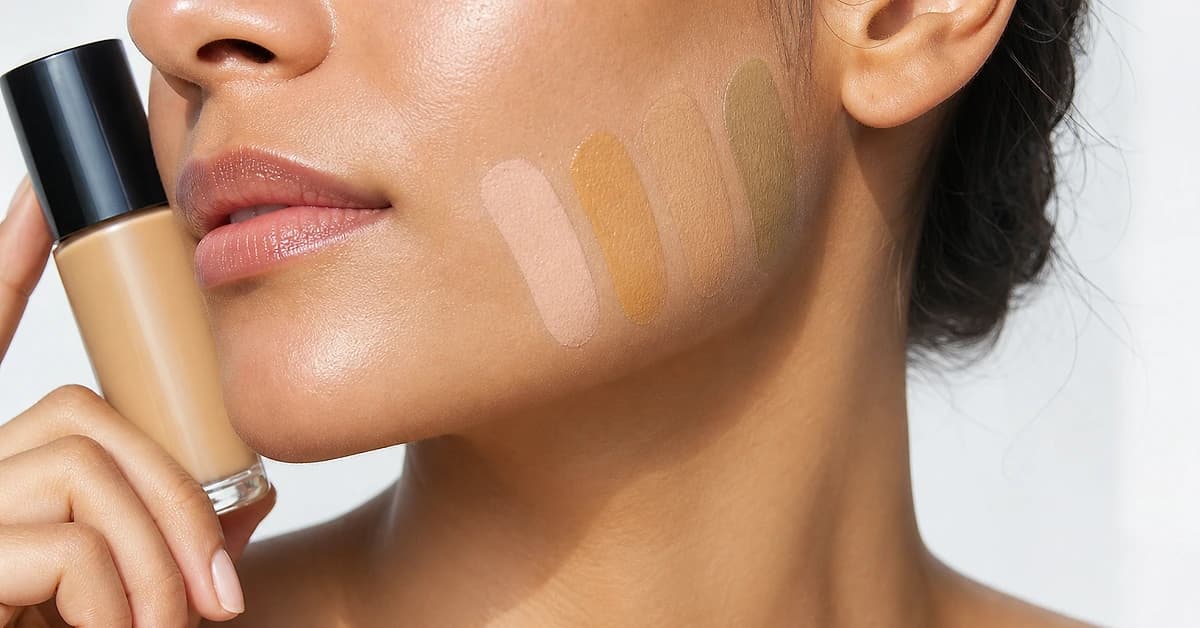
Foundation Undertone Chart: Warm, Cool, Neutral and Olive Shades Explained
A color analyst's foundation undertone chart, what warm, cool, neutral and olive shades look like, how brands label them (W, C, N, G, P), how to test yours and which to buy.

What Is My Skin Undertone
A color analyst explains what your skin undertone is, how to find it with simple at-home tests, and the colors that flatter cool, warm and neutral undertones.
Prefer in person? Find color analysis near you
Browse local color analysts by city, or get the same season, palette and best-colors breakdown online from one selfie.
See your colors on a photo of you
Upload one selfie and ToneLala reveals your season, your full palette, and your best hair, makeup, jewelry and outfits, styled on you.