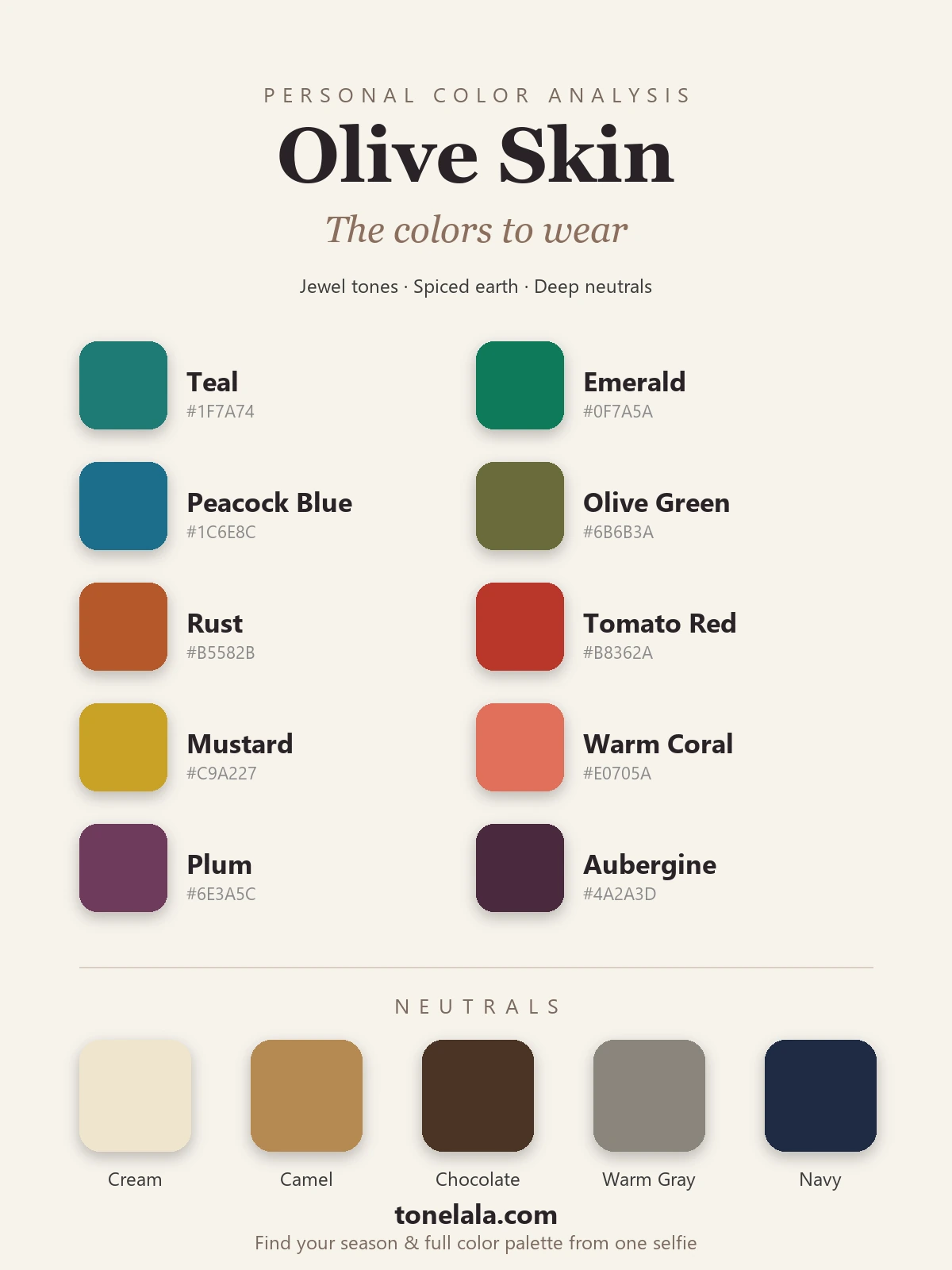
In a sentence: the olive skin color palette is built on teal, emerald, peacock, olive, rust, tomato red, mustard, coral, plum and aubergine: colors with enough depth to balance the green-gray cast, grounded by cream, camel, chocolate, warm gray and navy. Skip to the palette with hex codes, the light / medium / deep breakdown, or find your exact season.
Olive Skin Color Palette: The Best Colors to Wear (with Hex Codes)
By ToneLalaUpdated October 6, 2026
Contents
- 01 Why olive skin needs its own palette
- 02 The olive skin color palette
- 03 The palette by depth
- 04 The palette by undertone and depth
- 05 Black, white and gray on olive skin
- 06 Colors to avoid with olive skin
- 07 How to test a color in daylight
- 08 Olive skin outfit ideas
- 09 Jewelry, shoes and bags
- 10 Makeup that matches the palette
- 11 Where this palette meets your season
- 12 Where to start
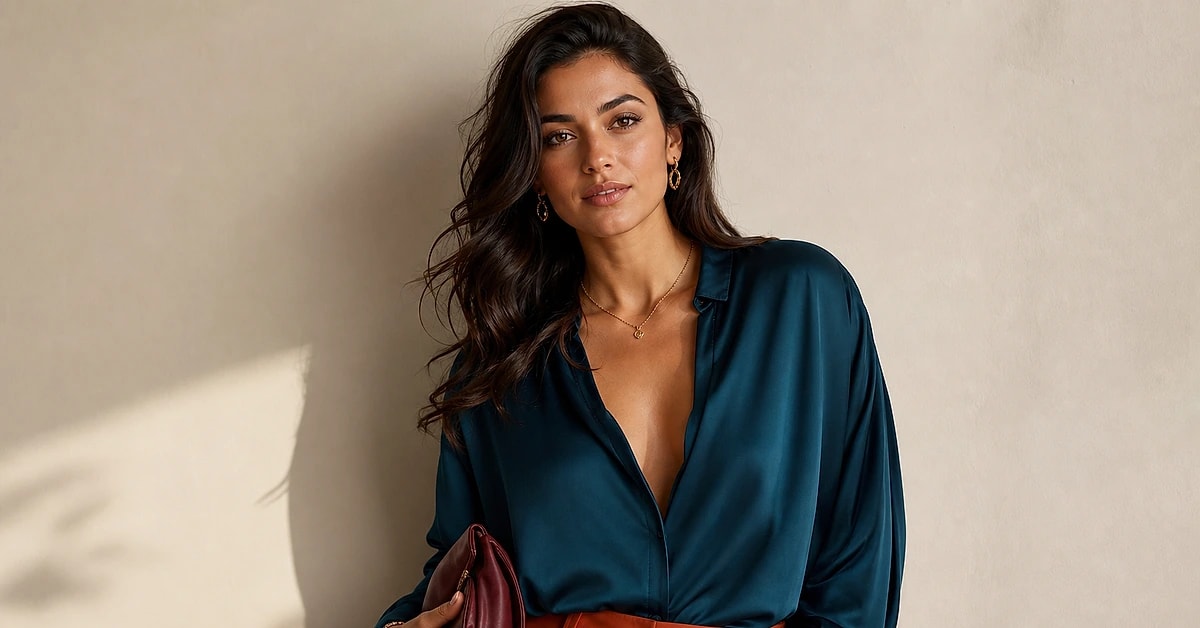
Olive skin tends to look "fine" in most colors and rarely looks its best, because most wardrobe advice is written for skin that is either pink-based or yellow-based. Olive skin has a green or gray-green cast over its base color, and that cast changes how every color next to it behaves.
This palette covers the neutral-to-warm olive skin that most guides describe, with the swaps cool olives should make marked separately. If you are not sure you are olive at all, the olive skin tone guide explains the cast and how to spot it, and the olive skin undertones guide sorts out warm, cool and neutral olive in five tests.
Why olive skin needs its own palette
The green-gray cast does two things to color:
- It swallows pale, thin color. A pastel next to olive skin has no depth to push against, so the cast wins and the skin looks yellow-green. This is why olive skin so often looks sallow in the spring pastels that suit many other people.
- It harmonizes with colors that share green or sit opposite it. Teal, olive and emerald echo the cast and make it look intentional. Tomato red, rust and coral sit across the color wheel from green and cancel it, so the skin looks clearer.
Every color in the palette below does one of those two jobs. The neutrals do a third: they carry enough warmth (cream, camel, chocolate) or enough depth (navy, warm gray) that the cast never takes over.
The olive skin color palette
| Color | Hex | Why it works |
|---|---|---|
| Teal | #1F7A74 |
Echoes the green cast, so the skin reads warm and clear beside it. The safest single color for olive skin, and on nearly every ranking list. |
| Emerald | #0F7A5A |
A clearer green that suits medium and deep olives especially; cool olives' best green. |
| Peacock Blue | #1C6E8C |
Blue with green in it, which carries the harmony of teal into the blue family. |
| Olive Green | #6B6B3A |
Matching the cast sounds risky, but an olive deeper than your skin looks deliberate. |
| Rust | #B5582B |
Sits opposite green on the wheel and cancels the cast. Warm olives' signature color. |
| Tomato Red | #B8362A |
The red most guides choose for olive skin: warm enough to balance the green, deep enough to hold its own. |
| Mustard | #C9A227 |
Divides the guides (see below). A deep golden mustard suits medium and deep warm olive; pale or acid yellow does not. |
| Warm Coral | #E0705A |
The one bright most olives can wear, with enough orange in it to counter the green. |
| Plum | #6E3A5C |
A muted purple that suits every olive undertone; neutral olives' signature color. |
| Aubergine | #4A2A3D |
The dark that replaces black for lighter olives, and a jewel tone for deeper ones. |
Neutrals: Cream #EFE4CD, Camel #B68A52, Chocolate #4A3526, Warm Gray #8A857C and Navy #1E2A44. Navy is the most useful dark in the palette: it does everything black does without throwing gray onto the skin.
Metals: gold and bronze for most olives; silver, pewter and white gold if you tested cool. Neutral olives can mix them.
Cool olive adjustments: swap rust for berry #9E2A3C, mustard for slate blue #4F6D8A, warm coral for raspberry #C2445E, and camel for charcoal. Keep everything else.
The mustard question
Mustard is the color the ranking guides disagree on most. PaletteHunt puts mustard yellow on its list of colors that work against olive skin, and YourColorStyle lists it among the tricky ones, while other guides recommend it. Both can be right. A deep, golden mustard has enough depth to stand beside a medium or deep warm olive complexion; a paler or greener mustard sits too close to the cast and makes the skin look yellow. If you are fair or cool olive, use the slate blue swap above, or wear mustard away from the face as a skirt, bag or shoe.
Want the exact shades for YOUR olive skin?
Find your color season →The palette by depth
Olive skin runs from fair to deep, and depth changes how much color the skin can carry.
Light olive
Fair to light skin, often mistaken for "pale with a yellow tinge". Keep the palette on its softer side: teal rather than emerald, plum rather than aubergine, rust rather than tomato. Cream is your white and navy is your black. Cold pastels are still out, but muted mid-tones such as sage, dusty teal and rosewood work well. Full guide: fair olive skin.
Medium olive
The olive most people picture, found across Mediterranean, Middle Eastern, South Asian and Latin American skin among many others. Wear the palette above as it is. You can carry the brights (coral, tomato) and the deeps (aubergine, navy) with equal ease, and a deep mustard is usually yours.
Deep olive
Tan to deep skin with a green cast. Push everything up a notch: emerald over teal, tomato over rust, and fuchsia, sapphire and cobalt join the palette. Crisp white becomes one of your best neutrals because your contrast can carry it, and black works here too. Full guide: deep olive skin.
The palette by undertone and depth
| Warm olive | Neutral olive | Cool olive | |
|---|---|---|---|
| Light | Soft rust, warm coral, olive, cream | Dusty teal, rosewood, plum, soft navy | Soft teal, berry rose, mauve, slate blue |
| Medium | Rust, tomato, deep mustard, camel | Teal, plum, peacock, warm gray | Emerald, raspberry, berry, charcoal |
| Deep | Burnt orange, tomato, deep olive, chocolate | Emerald, aubergine, peacock, crisp cream | Sapphire, fuchsia, true red, crisp white |
Use the row for your depth and the column for your undertone, then pick two or three colors from that cell to test first.
Black, white and gray on olive skin
- Black. Guides split. PaletteHunt says black drains warmth from olive skin and suggests camel or chocolate for coats; color-analysis.app says black can work on deeper or higher-contrast olive. That matches the depth rule above: black is fine on deep olive and harder on light olive. Navy, aubergine and chocolate are the safe darks for everyone.
- White. Stark optic white tends to make light and medium olive look gray; cream and ivory are easier. Deep olive wears crisp white well.
- Gray. Warm gray and greige work. Cool, flat mid-gray tends to pick up the gray in the cast and dull the skin. Charcoal is fine as a dark.
Colors to avoid with olive skin
- Pale cold pastels: baby pink, powder blue, lilac, pale lemon, mint. They make the cast look greener and the skin look tired.
- Beige, sand, khaki and stone at the face. Below the waist they are fine; as a top or scarf they merge with the cast and the face disappears.
- Neon and fluorescent brights. They overpower the muted quality of olive skin. This is the one point every guide agrees on.
- Yellow-greens: chartreuse and lime sit too close to the cast without enough depth.
- Cool pink-beige "nude". The nude that suits pink-based skin turns olive skin ashy. Your nude is a warm rose-brown or a soft caramel.
How to test a color in daylight
Olive skin shifts more than most under artificial light, so test colors by a window during the day, with no makeup or with your usual foundation only. Hold the fabric under your chin and look at the skin, not the fabric. A good color makes shadows under the eyes and around the mouth look softer and the skin look even. A poor one makes the skin look yellow, gray or green, or makes you notice the fabric before your face. Compare two colors at a time (teal against beige is a quick first pair) rather than judging one alone.
Olive skin outfit ideas
Everyday
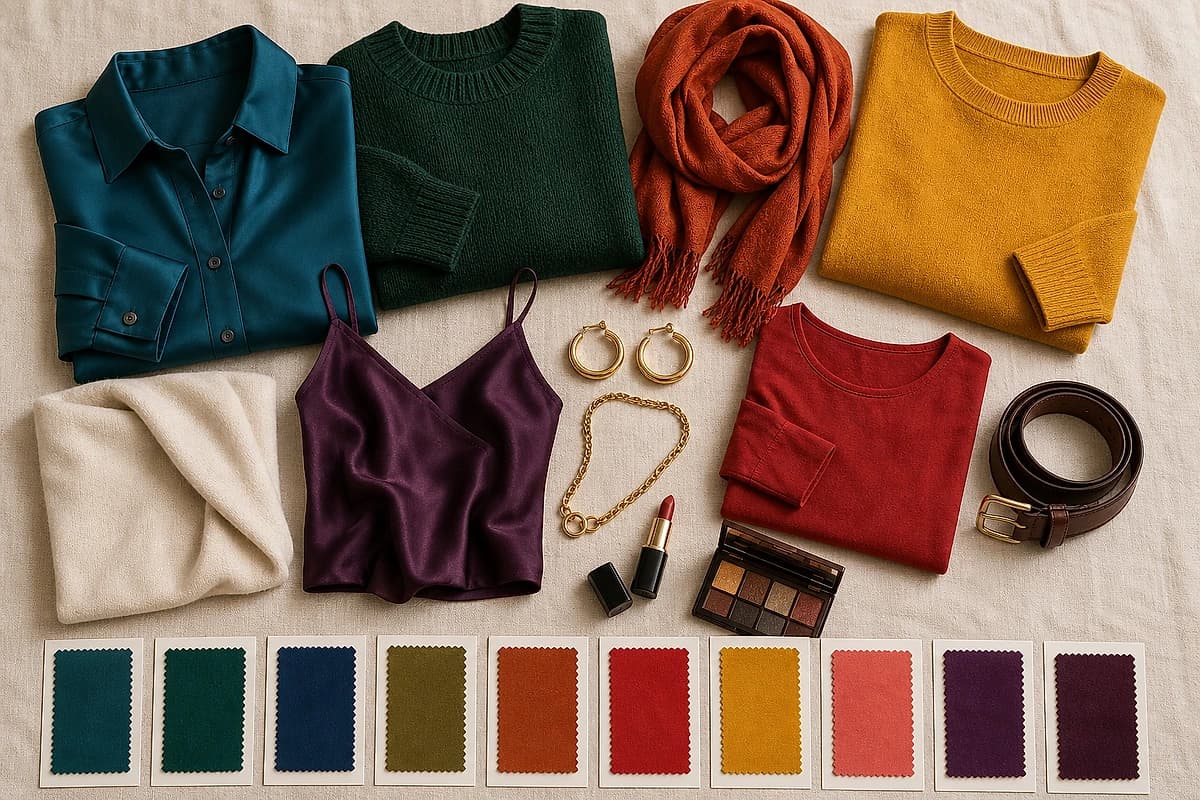
A teal blouse with cream trousers and gold hoops. Teal near the face, cream for softness, gold to warm it.
Work
A plum or peacock knit under a navy blazer, with chocolate or navy trousers. Every piece suits olive skin on its own, so the outfit holds together without effort.
Weekend
A rust sweater with dark navy jeans and chocolate boots. Autumnal without looking like a costume.
Evening
An emerald dress with gold jewelry. One color worn well.
Statement
A tomato red top under a camel coat. The red cancels the cast and the camel keeps the outfit warm.
Tonal
Plum, olive green and cream together. A muted, harmonious mix that suits neutral olives in particular.
Jewelry, shoes and bags
- Jewelry. Gold, bronze and rose gold suit warm and neutral olive; silver and pewter suit cool olive. Warm stones such as amber, carnelian and tiger's eye, and green ones such as jade and emerald, repeat the palette.
- Shoes and bags. Cognac, tan, chocolate and burgundy leather work with almost everything here. Black leather is fine with deeper olive or when it sits away from the face. A mustard or olive bag is an easy way to wear those colors without the face question.
- Glasses and sunglasses. Tortoiseshell and warm brown frames suit most olive skin; cool olives can wear gunmetal or dark navy frames.
Makeup that matches the palette
Foundation is where olive skin is let down most often: most ranges are pink- or yellow-based and turn gray or orange on the green cast. Look for shades labeled olive or neutral-olive, and read how to find your foundation shade. For color, translate the wardrobe palette: blush in brick, terracotta or muted rose-brown; lips in tomato, brick, cranberry or a warm rose-brown nude; eyes in bronze, copper, moss, teal and plum. The best blush for your skin tone guide has the exact shades.
Where this palette meets your season
This is the palette for olive skin in general. Your color season narrows it to the version for your depth and contrast: a True Autumn olive leans into rust, mustard and olive; a Deep Autumn olive into aubergine, mahogany and deep teal; a Deep Winter olive into emerald, true red, fuchsia and crisp white; a Soft Autumn or Soft Summer olive into the softest teals, plums and rosewoods. The best colors for olive skin guide goes deeper on the season link, and a photo-based analysis reads all three from a single selfie.
Where to start
Begin with the three colors every olive can wear: teal, navy and cream. Buy or borrow one top in teal and wear it beside a beige one at a window to see the effect. Then add one accent from your cell of the undertone table, rust or tomato if you are warm, plum if you are neutral, berry or emerald if you are cool, and settle your metal with the jaw test. Retire pale pastels and beige tops last, once you have something better to wear in their place.
Frequently asked questions
What colors look good on olive skin?
Teal, emerald, peacock blue, olive green, rust, tomato red, mustard, warm coral, plum and aubergine are the ten colors in this palette. They either echo the green cast (teal, olive, emerald) or sit opposite it with enough depth to make the skin look clear (rust, tomato, plum). Cream, camel, chocolate, warm gray and navy are the neutrals. Teal, emerald, terracotta and aubergine appear on almost every ranking list for olive skin.
What colors should olive skin avoid?
Pale cold pastels (baby pink, powder blue, lilac, pale lemon, mint), yellow-beige and khaki worn at the face, and neon brights. They push the green cast forward so the skin reads sallow. Pure black can also cast gray shadows on light and medium olive skin; navy or aubergine is kinder. Neon is the one color every guide we checked agrees on.
Does olive skin look good in white?
Olive skin usually looks best in cream, ivory and off-white rather than stark optic white, which can make the green cast look gray. Deep olive skin is the exception: it carries crisp white well because the contrast is high enough.
What is the best red for olive skin?
Tomato red, a warm, slightly orange red, suits most olive skin because it sits opposite the green cast on the color wheel. Cool olives should swap it for a berry or raspberry red instead.
Is olive skin warm or cool?
Olive is a green-gray cast that can sit over a warm, neutral or cool base, and the guides disagree on which is most common: RMS Beauty calls olive neutral, while a makeup artist quoted by IPSY says most olive skin she sees is cool. Test your own undertone; warm and neutral olives lean toward teal, rust and gold, cool olives toward berry, emerald and silver. The olive skin undertones guide explains how to tell.
What color season is olive skin?
Usually True Autumn, Deep Autumn or Deep Winter, and Soft Autumn or Soft Summer for muted olives. The season narrows this general palette to the exact shades for your depth and contrast.
Can olive skin wear green?
Yes. Greens with depth, such as teal, emerald, forest and a rich olive, repeat the cast and make it look deliberate. The greens to avoid near the face are yellow-greens such as chartreuse and lime, and chalky mint, which make the skin look greener in the wrong way.
Can olive skin wear pastels?
Cold, chalky pastels like baby blue, lilac and icy pink are the hardest colors for olive skin. Muted, slightly grayed pastels with some warmth, such as dusty rose, soft peach and sage, are easier, especially on light olive skin. Guides disagree here, so test one near your face in daylight.
Should olive skin wear gold or silver?
Gold and bronze suit warm and neutral olive skin, and silver, pewter and white gold suit cool olive. Many olives can wear both, and neutral olives can mix them. Hold each at the jaw in daylight and choose the one that makes the skin look clearer rather than grayer.
Related guides
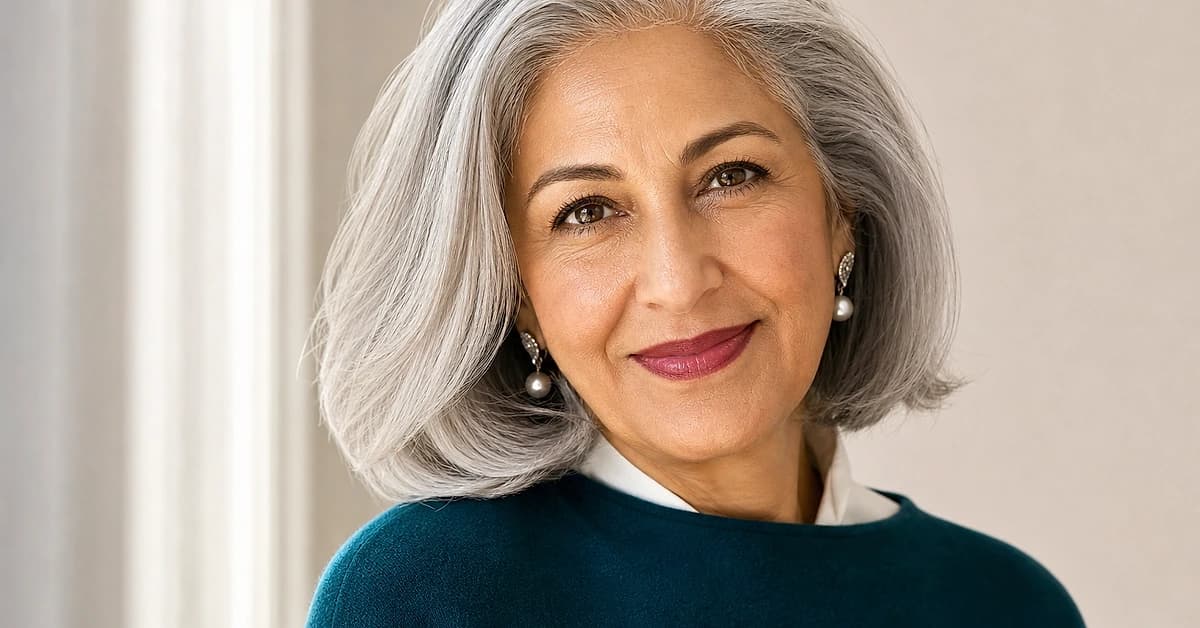
Best Colors to Wear With Gray Hair and Olive Skin
Silver hair changes what olive skin can wear. A color analyst's guide to the best colors for gray hair and olive skin, teal, plum, berry, soft white, plus what to avoid.
What Colors Look Good on Me
A color analyst explains how to find what colors look good on you, read your undertone, value and chroma, with a sample palette
Which Skin Tones Suit Copper Hair? A Color Analyst's Guide
Copper hair flatters warm skin, but which depths and undertones exactly? A color analyst explains who suits copper, which copper shade to choose, and how to wear it if you're cool.
Which Skin Tones Suit Auburn Hair? A Color Analyst's Guide
Auburn is the most wearable red, but who does it flatter? A color analyst explains which skin tones and undertones suit auburn, which shade to pick, and how cool skin can wear it.
Olive Skin Tone: The Complete Guide
What olive skin tone actually is, how to tell if you have the green-gray cast, your likely undertone, the seasons it maps to and the colors that flatter it.
Deep Olive Skin Tone: The Best Colors, Makeup and Hair
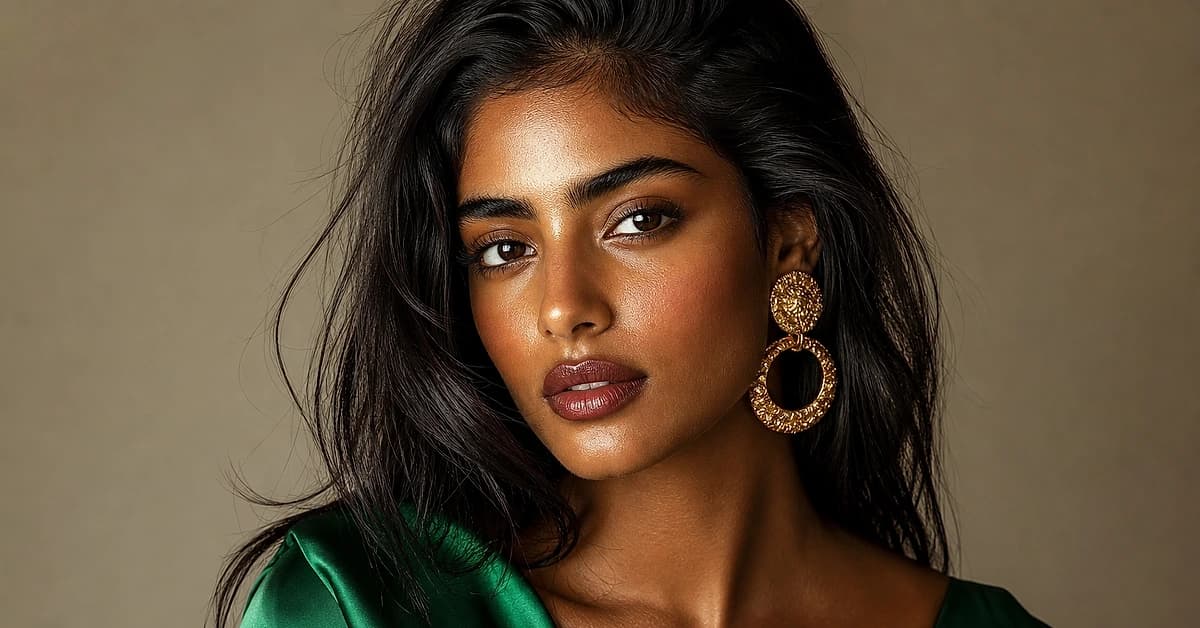
Deep olive skin carries a green cast over a rich brown base. A color analyst's guide to the jewel tones, whites, makeup and hair colors that make it glow, with hex codes.
Prefer in person? Find color analysis near you
Browse local color analysts by city, or get the same season, palette and best-colors breakdown online from one selfie.
See your colors on a photo of you
Upload one selfie and ToneLala reveals your season, your full palette, and your best hair, makeup, jewelry and outfits, styled on you.