In a sentence: Tan skin is a medium-to-deep depth that usually carries warm, golden undertones, and it glows in saturated, warm colors, teal, terracotta, olive, gold, coral and emerald, anchored by camel, chocolate and warm cream. Skip to the full palette or find your season.
Tan Skin Tone: Undertones & Best Colors
By ToneLalaUpdated July 10, 2026
Contents
A client walked in last spring certain she "couldn't wear color". She'd spent a decade in black, gray and the occasional navy, and every photo of her looked slightly washed out in a way she couldn't name. Her skin was a lovely warm tan, the kind that holds a golden glow into October, and the moment I draped a warm terracotta across her shoulders, her whole face lifted. The color she'd been avoiding her entire adult life turned out to be the one that suited her best.
That's the recurring story with tan skin. It reads as forgiving, so people assume anything goes, then quietly default to neutrals that flatten the very warmth that makes the complexion glow. Tan skin isn't a color problem to solve, it's a depth with real range, and once you know which direction your undertone leans, dressing it becomes genuinely straightforward.
What counts as tan skin?
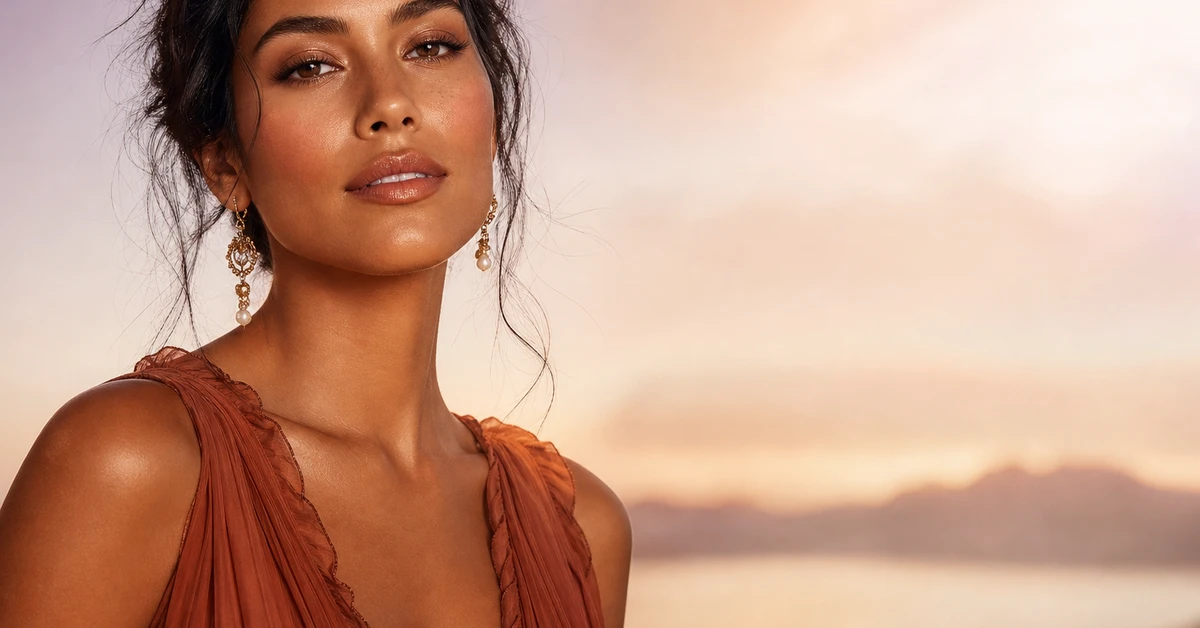
Tan describes a depth, not an undertone. It sits in the medium-to-deep band: darker than fair and light skin, lighter than deep or rich brown complexions. If you tan easily and rarely burn badly, if you hold a golden-brown color for weeks after summer, and if the inside of your forearm reads as warm and golden rather than pink against a sheet of white paper, you're almost certainly in tan territory.
It helps to separate two things people lump together. There's natural tan skin, a year-round medium-deep tone, and there's a tan in the seasonal sense, where a lighter base deepens over summer. Both behave the same way with color while the depth holds: they carry pigment well, take strong shades without being overwhelmed, and look most alive in colors that have some warmth and saturation rather than chalky or icy ones. What they don't tell you on their own is your undertone, and that's the part that actually decides your most flattering shades.
Finding your undertone
Undertone is the warm, cool or neutral cast sitting beneath the surface color of your skin, and it matters more than depth when you're choosing colors. Most tan skin leans warm or neutral-warm, golden, honey or olive, but "most" isn't "all", so it's worth checking properly rather than assuming.
Three quick tests, used together:
- The jewelry test. Hold gold against your face, then silver. Warm undertones glow next to gold and look slightly gray or harsh next to silver; cool undertones do the reverse. If both look fine, you're likely neutral. This is the single most reliable check for tan skin.
- The vein test. Look at the veins on your inner wrist in daylight. Greenish veins point warm, blue or purple point cool, and a mix suggests neutral. Treat it as a tiebreaker, not gospel.
- The tan test. Think about how you go in the sun. A golden-brown, bronzed tan signals warmth; a tan that comes in slightly pink or ashy can mean cool or neutral undertones under the depth.
If your answers all point one way, trust them. If they're split, gold-friendly but blue-veined, say, you're probably neutral, and you get to borrow from both warm and cool palettes. Tan skin with cool undertones is less common but real, and it's exactly the kind of nuance a chart can't read for you.
The best colors for tan skin
These are the ten I reach for again and again on tan skin, saturated enough to register against the depth, warm enough to make the skin glow, with a little room to lean for your undertone.
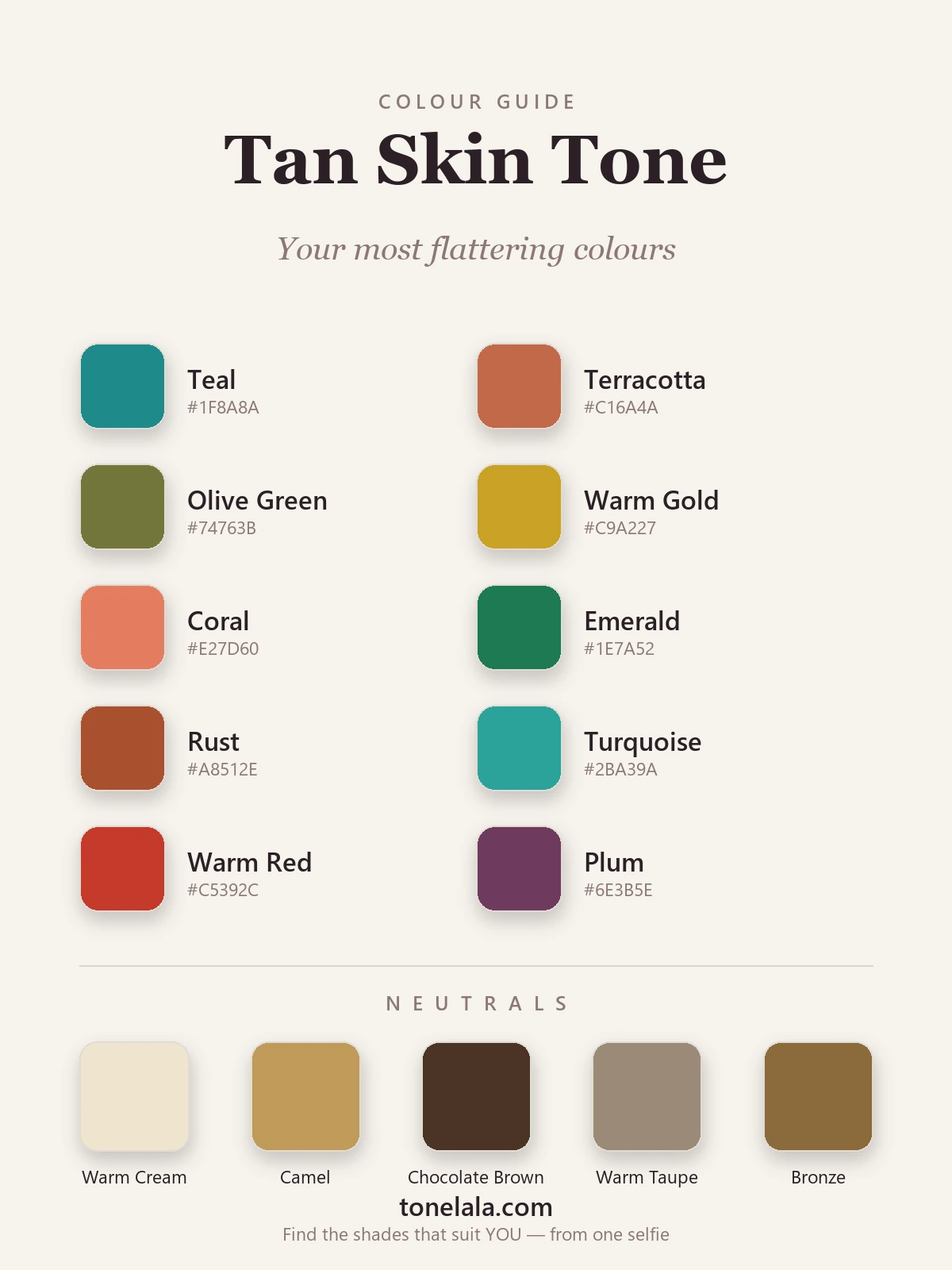
| Color | Hex | Why it works |
|---|---|---|
| Teal | #1F8A8A |
The near-universal winner. It sits between warm and cool, so almost every tan undertone looks lit-up beside it. |
| Terracotta | #C16A4A |
A warm, clay-toned orange-red that flatters tan skin the way it flatters a sunset, easy, glowing, expensive-looking. |
| Olive Green | #74763B |
Earthy and tonal against golden skin without disappearing into it. Quietly one of the most flattering greens for tan complexions. |
| Warm Gold | #C9A227 |
Golden yellow that echoes the gold already in tan skin. Reads sunlit and rich rather than the sickly note pale lemon can hit. |
| Coral | #E27D60 |
A sunnier, pinker warm tone for spring and summer, it makes tan skin look fresh and healthy in seconds. |
| Emerald | #1E7A52 |
The jewel green. Deep and clean, it gives tan skin instant depth and glow; a cool-leaning showstopper. |
| Rust | #A8512E |
A deep, burnt red-orange that's pure autumn, rich, grounded and brilliant on warm tan skin. |
| Turquoise | #2BA39A |
Brighter and cooler than teal, it lights up the face by contrast and looks especially good on summer-tanned skin. |
| Warm Red | #C5392C |
A tomato-leaning red with warmth in it, the most flattering red for tan skin if you're not certain of your undertone. |
| Plum | #6E3B5E |
A warm, deep purple that adds richness and reads sophisticated against tan depth; a strong autumn and winter shade. |
Best neutrals: Warm Cream #F0E5CF (kinder than stark white), Camel #C19A5B (tonal, warm and expensive-looking), Chocolate Brown #4A3526 (a richer, warmer "dark" than black), Warm Taupe #9C8A76 (a greige that won't gray you out), and Bronze #8A6A3B (a metallic-leaning neutral that flatters tan skin like a tan flatters itself). For metals, gold is the natural default; a warm or antiqued silver works well on cooler-leaning undertones.
Want YOUR exact most-flattering shades?
Find your color season →Colors to be careful with
- Icy pastels: baby blue, lilac, mint and cool baby pink sit cold against warm skin and tend to wash tan complexions out. If you love pastels, warmer ones (peach, butter, sage) are far kinder.
- Stark optic white and flat cool gray: both pull warmth straight out of tan skin and can make you look tired. Swap to warm cream, ivory and warm taupe for the same neutral job with none of the drain.
- Cool, electric brights: icy fuchsia, neon and very blue-based reds compete with your natural warmth instead of complementing it. Choose tomato or coral over cool cherry, and a warm fuchsia over an icy one.
None of these are banned. They're simply the shades that disappoint most often on tan skin, so treat them as handle-with-care rather than forbidden, and if you adore one, reach for the warmer, slightly muted version.
Tan skin and the color seasons
Here's the honest part: there's no single "tan skin season", because tan skin shows up across several of the twelve seasons. Depth is only one of three things that decide your palette, undertone and contrast do the rest.
Warm, golden tan skin most often lands in True Autumn or Deep Autumn, where rich, earthy, golden colors rule, the natural home of terracotta, rust, olive and gold. A brighter, clearer version of tan coloring can lean True Spring or Deep Winter, carrying teal, emerald, turquoise and warm coral with more punch and contrast. And a softer, more muted version sits closer to Soft Autumn, happiest in dustier, gentler takes on the same warm family. What separates them isn't the tan itself, it's your undertone, your depth and how much contrast there is between your skin, hair and eyes.
That last layer is exactly what a chart can't read for you. My color analysis guides walk through each season in detail, and the True Autumn and Deep Autumn palettes are the obvious places to start for warm tan skin, they show how warmth and depth play out shade by shade before you commit a single purchase.
Makeup & styling for tan skin
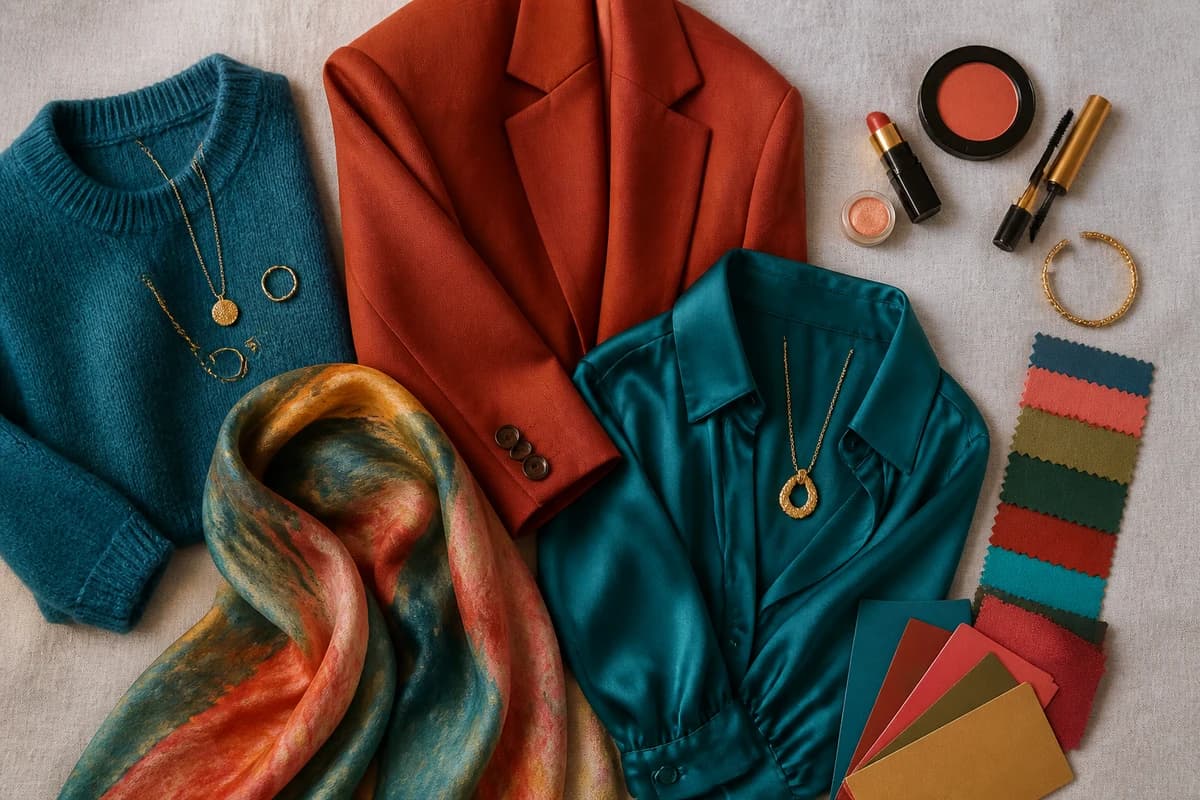
The same logic runs straight into your makeup bag. Tan skin tends to suit blush and lip shades with real pigment, warm terracotta, brick, coral and warm rose flatter far more than barely-there nudes, which can vanish against your depth. On the eyes, warm browns, bronze and copper bring the skin to life; keep cool grays and silvers for occasional contrast rather than your default. When you build outfits, let one of your saturated colors lead and keep the rest in your neutrals, a teal knit with camel trousers, a terracotta dress with warm cream and gold. Tan skin doesn't need the whole rainbow at once; it needs one warm color turned up and the right neutrals doing the quiet work behind it.
Putting it together
If you take one thing from this: tan skin is built for warmth and saturation, so stop defaulting to the safe grays and blacks that flatten it. Work out which way your undertone leans, build around two or three of the colors above, say teal, terracotta and olive, and let camel, chocolate and warm cream anchor everything. That alone will change how lit-up you look in every photo. The only question left is which version of each shade is genuinely yours, and that comes down to your exact undertone, depth and contrast, which is precisely what a personal analysis is for.
Frequently asked questions
How do I know if I have a tan skin tone?
Tan skin sits in the medium-to-deep range, darker than fair or light skin, lighter than deep or rich brown skin. The clearest tell is how you react to sun: tan skin browns easily and rarely burns badly, holding a golden color for weeks. Against pure white it looks warm and golden rather than pink, and a tan can be natural year-round or a deeper summer version of a medium base. It's a depth, not an undertone, which is why two people with tan skin can suit very different colors.
What undertone does tan skin usually have?
Most tan skin leans warm or neutral-warm, golden, honey or olive undertones rather than the rosy-pink of cooler complexions. Check the veins on your inner wrist (greenish points warm, blue points cool), notice whether gold or silver jewelry makes you glow, and see whether you tan golden-brown or pinkish. That said, tan skin can also be cool or neutral, so undertone is worth confirming properly rather than assuming it's warm by default.
What colors look best on tan skin?
Tan skin glows in warm, saturated, mid-to-deep colors, teal, terracotta, olive, warm gold, coral, emerald, rust, turquoise, warm red and plum. Warm neutrals like camel, chocolate brown, warm cream and bronze flatter far more than stark black and white. The exact best version of each shade depends on whether your undertone runs warm, cool or neutral, and on how bright or muted your coloring is.
What colors should tan skin avoid?
Be careful with icy pastels (baby blue, lilac, mint), stark optic white and cool, flat grays, they tend to drain warmth from tan skin and leave it looking sallow or tired. Very cool, blue-based brights like icy fuchsia can also fight your natural warmth. None are truly off-limits, but most tan complexions look more alive in warm or slightly muted versions of those shades instead.
Which color season is tan skin?
There's no single season, tan skin appears across several. Warm, golden tan skin most often lands in True Autumn or Deep Autumn; brighter, clearer coloring can sit in True Spring or Deep Winter; and softer, more muted versions lean Soft Autumn. Depth is only one of three factors, so the way to know your exact season is a personal color analysis that reads your undertone, depth and contrast together.
Related guides
Best Jewelry Metal for Your Skin Tone
A color analyst's guide to the best jewelry for your skin tone, when gold, silver or rose gold flatters your undertone, with the metal test and hex codes.
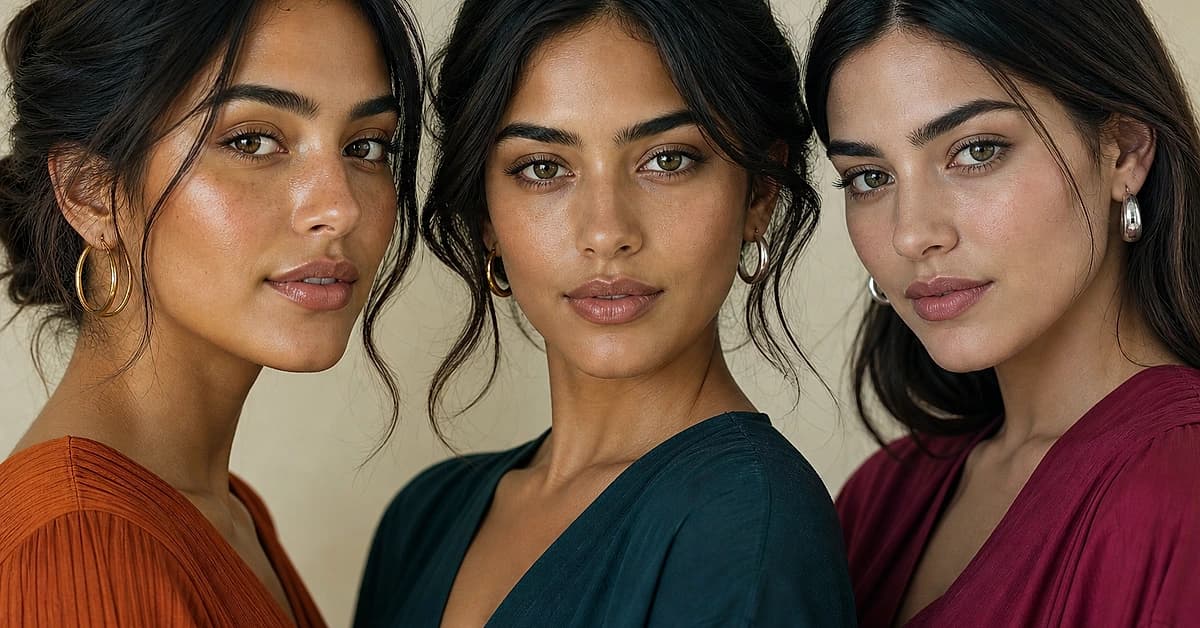
Olive Skin Undertones: Warm, Cool and Neutral Olive Explained
Olive skin is a green-gray cast that can sit over a warm, neutral or cool undertone. Five daylight tests to tell which olive you are, with the colors, makeup, hair and seasons for each.
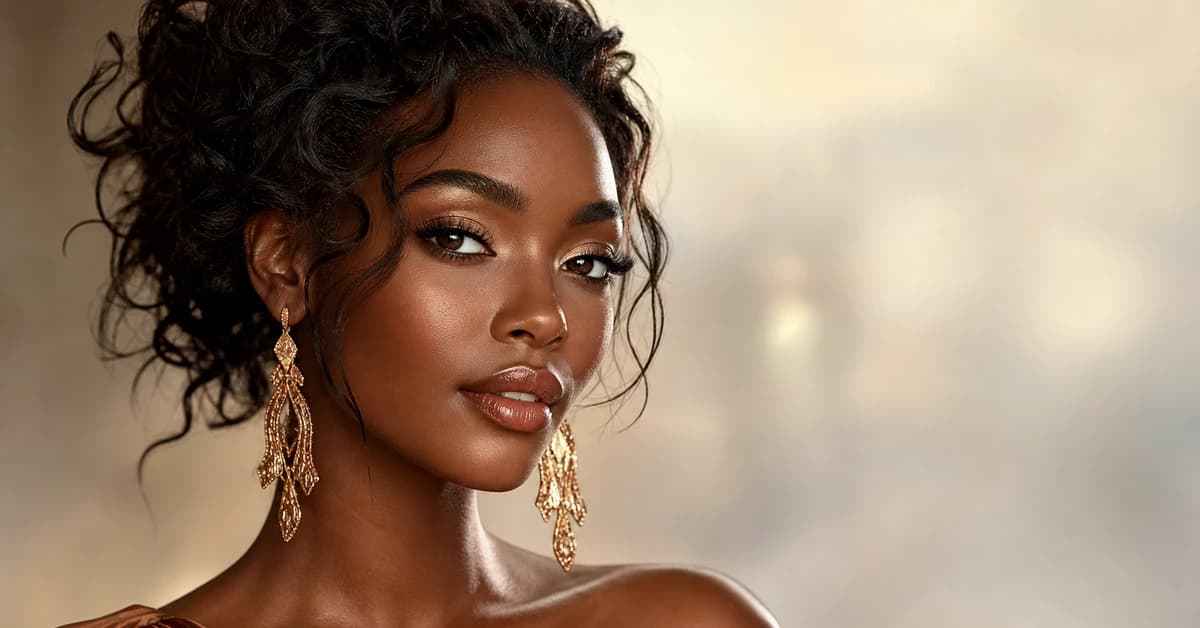
Deep Skin Tone: Undertones & Best Colors
A color analyst's guide to deep skin tone, how to read your undertone, the rich, saturated colors that glow against you
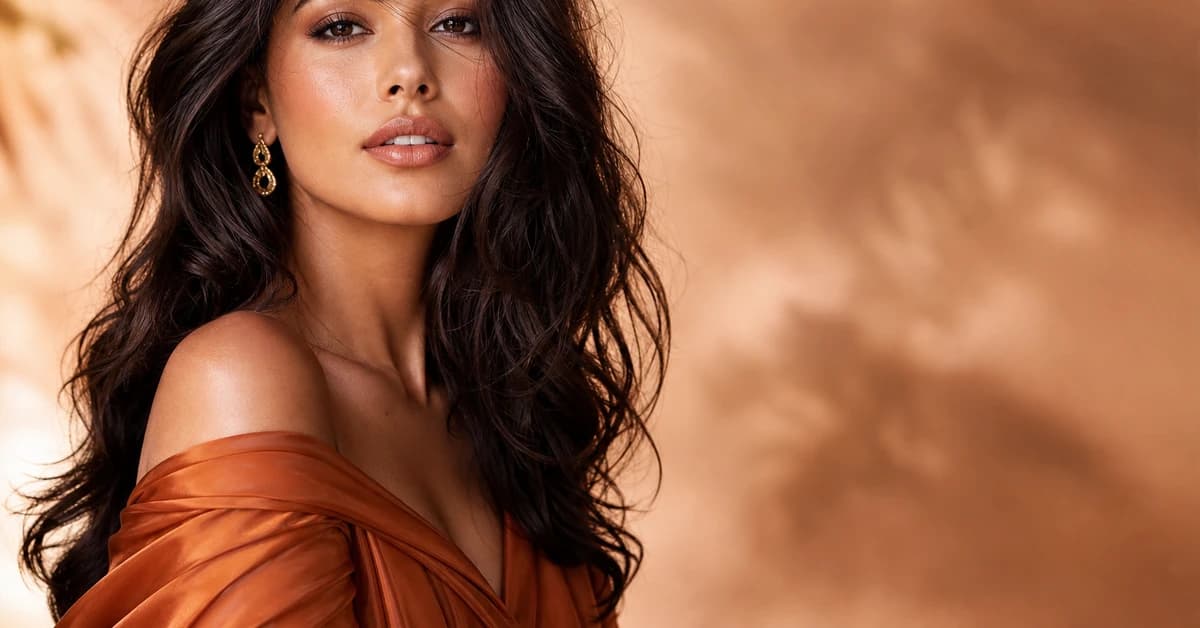
Warm-Toned Skin: How to Tell & Best Colors
How to tell if you have warm-toned skin, the vein, jewelry and white-paper tests, plus the colors, metals and neutrals that flatter warm skin
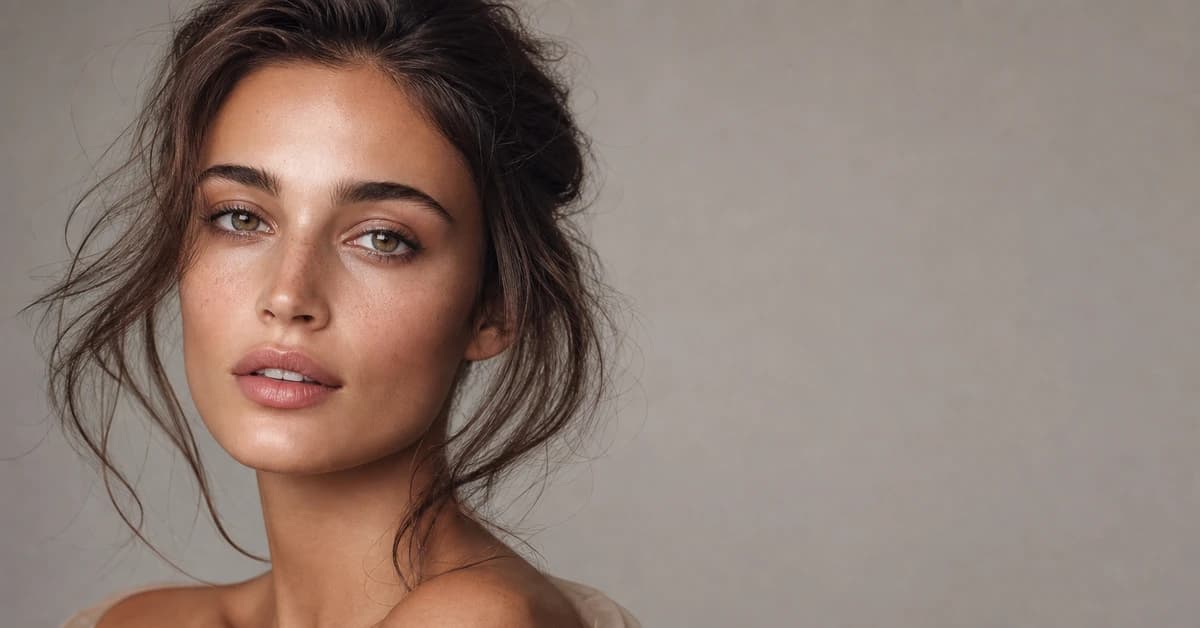
Gold vs Silver: Which Suits You
A color analyst on whether gold or silver jewelry suits you, three quick undertone tests, why one metal lifts your face, and what to wear if you're neutral.
Neutral Skin Tone: Undertones & Best Colors
A color analyst explains what a neutral skin tone is, how to tell if you have one, and the versatile colors and seasons that suit it (with hex codes).
Prefer in person? Find color analysis near you
Browse local color analysts by city, or get the same season, palette and best-colors breakdown online from one selfie.
See your colors on a photo of you
Upload one selfie and ToneLala reveals your season, your full palette, and your best hair, makeup, jewelry and outfits, styled on you.